Whispers of Cool Air: The Modern Shift in AC Repair Practices

The hum of an air conditioner often goes unnoticed until it falters. When it does, discomfort rises with the temperature. AC repair has become more than a simple fix; it is a modern science shaped by evolving technology and sustainability goals. Every service call today holds layers of precision, diagnostics, and environmental care.

hvac

In earlier years, AC repair relied mostly on manual inspection and part replacement. Today, technicians operate with digital diagnostic tools that communicate directly with systems. This shift allows real-time tracking of airflow, compressor efficiency, and refrigerant behavior. Through these readings, repairs are no longer guesswork but guided decisions rooted in data accuracy.

The growing sophistication of systems also transformed how repairs are approached. Many units now include smart sensors that signal potential issues before complete failure. These predictive alerts allow preventive repair, reducing major breakdowns. It saves energy, prolongs system life, and lessens the need for emergency visits.

Energy efficiency is another force redefining AC repair. Older systems consumed power heavily, while modern models prioritize lower energy use without sacrificing comfort. When repairing, specialists often adjust internal calibrations to meet efficiency standards. Every adjustment contributes to smaller energy bills and a reduced carbon footprint.

Refrigerant management is one of the most critical areas in AC repair today. Traditional refrigerants have been replaced with more eco-friendly variants. Improper handling of refrigerants now carries both environmental and legal implications. Technicians follow strict recovery and recycling protocols, ensuring safe containment and zero leakage.

Smart home integration has also influenced how AC systems are repaired and maintained. Repairs now often involve reprogramming digital thermostats, recalibrating sensors, and syncing with mobile control systems. This blending of mechanical and digital expertise has redefined what it means to be an AC technician. The repair process is as much about coding as it is about cooling.

Another emerging factor is the growing demand for noise-reduction repairs. People increasingly seek comfort not just in temperature but in silence. Technicians use vibration-dampening materials and redesign airflow patterns during repairs. The result is smoother, quieter operation, reflecting how comfort has become multidimensional.

Sustainability remains central to the modern repair narrative. Many technicians now emphasize reconditioning parts instead of replacing them. By refurbishing motors, compressors, and circuit boards, waste generation is minimized. These sustainable methods extend equipment life and align with global environmental goals.

The role of air quality in AC repair is also gaining importance. Repairs no longer focus solely on cooling performance. They now integrate cleaning, duct sanitation, and filtration upgrades. Technicians assess how repaired systems can improve indoor air health by reducing allergens, dust, and microbial growth.

The pandemic years reshaped perspectives on ventilation and air conditioning. The focus turned to how AC systems could circulate clean, safe air. Repair work began involving high-efficiency filters, UV sterilization modules, and humidity control upgrades. These improvements changed what consumers expect from a standard repair job.

Digital record-keeping has become part of the repair ecosystem as well. Every inspection, replacement, or recalibration is now documented electronically. This builds transparency for clients and accountability for technicians. It also helps track performance patterns across seasons, enabling smarter service scheduling.

Another transformation lies in training. The new generation of AC repair professionals undergoes continuous digital learning. Simulators and augmented-reality modules replicate real-world malfunctions for practice. This allows them to master complex systems without risking actual unit damage. The result is faster, safer, and more precise repair execution.

The use of remote monitoring tools has minimized unnecessary service calls. Homeowners can authorize online diagnostic sessions that identify issues before scheduling physical repairs. This hybrid system reduces downtime and saves on labor costs. It also allows repair teams to prioritize emergencies more efficiently.

Customer expectations are evolving just as fast as technology. Modern clients value transparency, speed, and eco-consciousness. Repair services now provide detailed performance reports, visual diagnostics, and sustainability metrics. The emphasis is no longer on fixing alone but on educating customers about their systems’ long-term health.

Another innovation is modular repair technology. Instead of dismantling entire systems, specific components can now be detached and repaired independently. This reduces repair time and prevents unnecessary part replacements. The modular approach encourages customization and enhances maintainability.

Temperature zoning has also affected repair dynamics. Systems designed for multi-room climate control require specialized repair strategies. Technicians must balance airflow across multiple zones without affecting others. The challenge has grown, but so has the potential for tailored comfort solutions.

The integration of renewable energy sources into AC systems has introduced a new layer of repair complexity. Some systems partially rely on solar energy, demanding dual expertise in electrical and mechanical domains. Repairing such hybrid systems requires precision alignment of both energy and cooling circuits. This convergence has expanded the field into a multidisciplinary craft.

A subtle yet powerful change in AC repair is its focus on personalization. Technicians now consider user preferences such as humidity levels, air velocity, and scent integration. Repairs may include sensor recalibration to align with those comfort metrics. Personalization has turned maintenance into an experience rather than a routine task.

Microclimate control, once limited to industrial use, is now part of residential systems. Repairing these intricate mechanisms involves precise airflow tuning and thermal mapping. Specialists must understand not only the hardware but also how users interact with their environment. The aim is to create a responsive system that adjusts naturally to daily living patterns.

Another fascinating trend is the use of AI-driven diagnostic platforms. These systems analyze data from thousands of past repairs to predict failure points. During service calls, AI suggestions guide technicians toward the most effective solution paths. The process blends human judgment with algorithmic intelligence, optimizing both speed and accuracy.

As digital control panels grow more advanced, cybersecurity becomes a new concern. Malfunctions can now stem from software breaches or unauthorized access. Technicians trained in cybersecurity protocols ensure system safety during repairs. It’s a dimension that never existed in traditional mechanical servicing.

The tools of the trade have evolved dramatically. From infrared thermometers to wireless refrigerant analyzers, precision has replaced approximation. These innovations make every repair an exact operation rather than a mere patchwork. The modern technician’s toolkit is a symbol of progress, bridging engineering with craftsmanship.

Beyond individual systems, entire neighborhoods now adopt shared cooling infrastructures. Repairing within these networks requires coordination and real-time system balancing. A single misalignment can affect multiple users. Thus, repair work in such environments demands communication, collaboration, and collective awareness.

Another growing field is AC repair in green buildings. These structures prioritize energy recovery, airflow recycling, and smart ventilation. Repair specialists in these projects work closely with architects and environmental engineers. Their task is not just to restore cooling but to maintain ecological harmony within the structure.

Predictive maintenance software continues to refine repair planning. It studies usage habits, weather patterns, and mechanical stress indicators. When anomalies are detected, repair alerts are generated automatically. This shift from reactive to predictive care defines the future of HVAC management.

The relationship between users and their systems has also become more interactive. Mobile apps now notify when filters need cleaning or components require inspection. Technicians receive synchronized alerts, allowing immediate responses. The result is seamless communication between human and machine, strengthening system reliability.

AC repair has also embraced circular economy principles. Instead of discarding old parts, many repair facilities refurbish components for reuse. Recovered metals, plastics, and electronic parts are reintroduced into production cycles. This approach minimizes waste and emphasizes environmental responsibility.

Climate change awareness has indirectly influenced repair trends too. Extreme temperatures challenge system durability and performance. Repairs now involve reinforcement measures that adapt systems to fluctuating weather conditions. These enhancements ensure resilience under unpredictable environmental stress.

The psychological comfort of air conditioning is also being studied more deeply. Repair technicians recognize that malfunctioning systems can affect mood and productivity. Fast, reliable service restores not just temperature control but emotional stability. Cooling has become both a physical and mental necessity in modern life.

As urban design evolves, AC repair plays a role in sustainable architecture. Technicians contribute by ensuring minimal energy leakage, balanced insulation, and smart placement of vents. Their work directly impacts how buildings consume energy. This connection between architecture and repair defines the new frontier of urban comfort.

The growing use of portable and compact units has diversified repair techniques. Miniaturized systems require specialized tools and delicate handling. Repairs focus on maintaining efficiency within limited space configurations. The balance between mobility and performance drives creative problem-solving.

In high-demand industries, downtime costs can be massive. Rapid-response repair teams are now trained for on-site modular replacement under extreme conditions. Their efficiency ensures minimal disruption to essential operations. This precision-based discipline mirrors the urgency of medical interventions.

Sustainability certification programs are beginning to include AC repair credentials. Professionals who demonstrate eco-conscious practices receive recognition for their commitment. These certifications motivate the industry to continue evolving responsibly. Repair is becoming a profession that merges ethics, innovation, and environmental awareness.

At the heart of all these advancements lies a shared mission: comfort with conscience. AC repair no longer ends when the system runs again. It continues through monitoring, optimization, and education. Each repaired unit reflects a step toward sustainable living and technological harmony.

The future of AC repair is defined by intelligence, integration, and intention. It connects mechanics with digital science, users with awareness, and comfort with ecology. What once was a simple service has become an art of preserving balance—between heat and cool, human and machine, comfort and care. In that balance, the whispers of cool air remind us that innovation can still feel gentle.
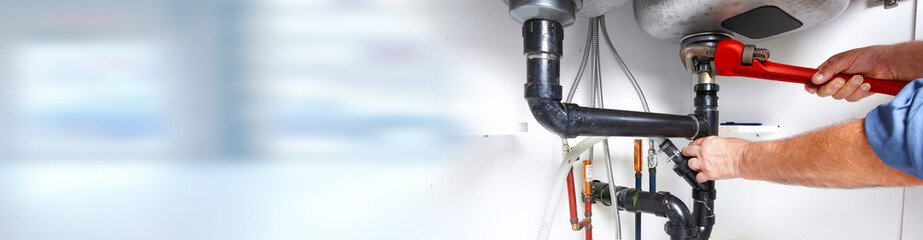

The Importance of Plumbing and Heating Services

When it comes to maintaining a comfortable and functional home, proper piping and water systems are essential. Whether you’re dealing with a leaking pipe or an issue with your radiators, professional plumbing and heating services can help.

Choosing a local plumber will ensure access to tailored solutions that reflect the unique needs of your home. They also have the knowledge and experience to address problems quickly and efficiently.

Plumbing

Plumbing is the system of pipes, fixtures, and appliances that deliver clean water and remove wastewater in a building. The profession of plumbing involves installing, repairing, and maintaining these systems. It also includes ensuring that the work is done according to local and national regulations.

Professional plumbers have the training and tools needed to fix a variety of issues. They can use high-powered drain snakes and video inspection cameras to diagnose and repair problems with pipes, sewer lines, and drains. They can also install and maintain water heaters, showers, toilets, and more.

One of the most important reasons to invest in plumbing services is to ensure a safe and reliable water supply. A plumbing system that is not properly maintained can lead to clogged drains, leaky faucets, and even flooding. A professional plumber can address these issues before they become worse and cause more damage.

Plumbing services can also help improve a home’s energy efficiency by reducing water consumption. Leaky faucets and dripping pipes can waste a lot of water, so professional plumbers can fix them quickly to save you money on your utility bills. They can also recommend water-saving upgrades like low-flow toilets and water filtration systems. In addition, plumbing services can detect and repair hidden leaks before they cause serious water damage. This can save you a lot of money in the long run.

Heating

Licensed, insured heating services include installation, repair, and maintenance of heat pumps, furnaces, forced air, and ductless mini-splits. Professionals perform regular cleaning and maintenance on the system to keep it running at maximum efficiency and extend its lifespan, avoiding costly repairs in the future. They can also detect and address problems with ductwork, vents, and filters that may be hampering indoor air quality.

Plumbing services help maintain your home’s water supply systems and drainage systems. They can clean drains, remove clogs and repair water leaks. They can also flush and check on the efficiency of water heaters. Homeowners can do their part to keep their plumbing in good shape by not dumping grease, coffee grounds and other food products down the drain and regularly using a mixture of vinegar and baking soda to maintain clear pipes.

A commercial plumbing system delivers potable water to fixtures throughout a building and manages wastewater removal. It consists of a network of pipes, valves, and pumps that connect to a municipal sewer or private septic tank. It also includes drainage systems that manage rainwater runoff from roofs and parking lots. It uses cast iron, PVC, and ABS pipes to convey water safely and efficiently. Commercial plumbers install and service plumbing systems for restaurants, offices, warehouses, and other buildings. They also design systems to deliver natural gas or propane to appliances for cooking, heating, and other uses. They must comply with the Uniform Plumbing Code (UPC), which regulates fixture flow rates and other aspects of plumbing design.

Common Issues

Drip, drip, drip. That constant whoosh of water running down the drain is more than an annoyance; it’s a sign that you have a plumbing problem, possibly one requiring professional help. You can usually fix small leaks by tightening a loose valve or replacing a worn washer, but some problems require the expertise of a licensed plumber.

Leaky pipes are one of the most serious plumbing issues that homeowners face, and it’s a problem that can lead to expensive water damage if left untreated. Leaks are typically caused by old or worn-out pipes, but you may also experience a loss in water pressure as a result of pipe corrosion or mineral buildup in your water supply lines.

Clogged drains are another common plumbing issue, and they can occur in kitchen sinks, bathroom sinks, tubs, or anywhere else in your house. Food scraps, coffee grounds, hair, and other items can cause blockages, and you can usually spot a clog by the presence of a foul odor or slow drainage.

The best way to prevent these common plumbing problems is by being proactive. Find a local plumber who offers emergency services, and keep their number on hand for when problems arise. You should also educate your household on proper water usage and what items can be safely flushed down the toilet to avoid clogs.

Budgeting

Just like a plumber seals joints to prevent leaks, effective budgeting acts as a financial sealant to help plumbing businesses navigate financial pipelines smoothly. It helps them manage resources, track expenses, and plan to avoid leaks and ensure profitability.

Cost of Materials

Plumbing costs depend on the type and quality of fixtures and materials used in the project. Standard fixtures like sinks, toilets, and faucets come in various price ranges, from basic models to luxurious options. Quality plumbing fixtures may be more expensive upfront, but they can save money in the long run through lower water bills and reduced maintenance expenses.

Labor costs are another important component of plumbing expenses. They vary by location and complexity of the job, so it’s advisable to get multiple quotes from licensed plumbers in your area to make an informed decision. It is also a good idea to include a contingency reserve of 10-20% of the total expected costs for unexpected expenses, such as unforeseen material or labor requirements.

Hiring a local plumbing service can help you avoid unnecessary repairs by providing prompt responses to your inquiries. Their team of expert technicians is familiar with local codes and regulations to ensure your plumbing system stays safe and complies with the law. They can also recommend energy-efficient plumbing systems that can reduce your electricity bills and boost savings.

The Benefits of Working with Licensed and Experienced General Contractors

When it comes to home renovations, commercial projects, or large-scale construction work, the choice of a general contractor can make or break the outcome. Hiring the right professional is more than a convenience—it is a strategic decision that directly affects quality, timelines, cost, and safety. General contractors play a central role in coordinating every aspect of a project, from initial planning and permitting to execution and final inspections. For homeowners, business owners, and developers alike, working with licensed and experienced contractors offers benefits that far outweigh the cost of professional services, ensuring both peace of mind and superior results.

general contractor

One of the primary advantages of hiring a licensed General Contractor Lexington KY is the assurance of compliance with local building codes, regulations, and safety standards. Licensed contractors are required to meet specific criteria, including formal training, practical experience, and examinations that verify their knowledge of construction laws and practices. This ensures that any project undertaken meets legal requirements and adheres to safety protocols. Compliance is particularly important in projects involving structural changes, electrical work, plumbing, or roofing, where deviations from code can result in fines, costly rework, or even legal liability. By choosing a licensed professional, clients mitigate the risk of regulatory issues and guarantee that the project is built on a solid foundation of legal and technical knowledge.

Experience is another critical factor that sets top contractors apart. Seasoned professionals have encountered a wide range of challenges and scenarios, allowing them to anticipate potential problems and implement effective solutions before they escalate. Experienced contractors bring insight into material selection, project sequencing, and workflow management, which enhances efficiency and reduces costly mistakes. Their familiarity with common pitfalls, from weather delays to subcontractor coordination, ensures that projects proceed smoothly. Moreover, experienced contractors often maintain relationships with trusted suppliers and subcontractors, ensuring the timely delivery of materials and access to skilled tradespeople. This network is invaluable for completing projects on schedule and within budget.

Project management is at the core of what general contractors do, and their expertise directly benefits clients. Coordinating multiple trades, scheduling inspections, and managing resources can be overwhelming for anyone without professional training. Licensed contractors streamline these processes, creating detailed project timelines, securing necessary permits, and overseeing every phase of construction. Their oversight prevents miscommunication among subcontractors, reduces downtime, and ensures that each stage of the project aligns with the client’s vision. Effective project management not only maintains quality and efficiency but also protects the client’s investment by avoiding delays, errors, or unnecessary expenditures.

Safety is a non-negotiable consideration in construction, and licensed contractors prioritize it in every project. Construction sites involve inherent risks, from heavy equipment and elevated work areas to electrical systems and hazardous materials. Experienced contractors implement rigorous safety protocols, ensure proper protective equipment is used, and train workers to handle potential hazards. Insurance coverage, often required for licensed contractors, further protects both the client and the workers in case of accidents. By hiring professionals with a strong safety track record, homeowners and business owners reduce the likelihood of injury, liability, and property damage, creating a secure environment throughout the construction process.

Financial accountability is another key benefit of working with licensed general contractors. Transparent budgeting, accurate cost estimates, and proper contract management ensure that clients understand the financial scope of their project from the outset. Licensed contractors typically provide written estimates, clearly outlining materials, labor, permits, and contingency plans. Experienced professionals are also skilled at managing changes in scope, negotiating with suppliers, and identifying cost-saving opportunities without sacrificing quality. This financial oversight minimizes unexpected expenses and provides peace of mind, allowing clients to focus on design decisions and project outcomes rather than worrying about hidden costs or overruns.

Quality assurance is an area where licensed and experienced contractors excel. They have the technical skills and industry knowledge to execute work to the highest standards. Whether the project involves custom cabinetry, structural modifications, roofing, or full-scale remodels, a professional contractor ensures that every detail meets or exceeds expectations. Experienced contractors are also adept at problem-solving on the fly, quickly addressing unforeseen issues such as material defects, weather disruptions, or design adjustments. This level of professionalism ensures a finished product that is durable, functional, and aesthetically pleasing, ultimately enhancing the value of the property.

Two key considerations for homeowners or developers when selecting a contractor include licensing verification and experience evaluation:

  1. Verify Credentials and Licensing – Confirm that the contractor holds current licenses and meets state or local requirements. Licensing ensures technical knowledge, legal compliance, and access to insurance protections, providing an added layer of accountability.
  2. Assess Past Projects and References – Reviewing a contractor’s portfolio, client testimonials, and completed projects helps evaluate their expertise, reliability, and ability to handle projects similar in scale and complexity. Experienced contractors demonstrate consistency in delivering high-quality results.

Time efficiency is another tangible benefit of working with experienced contractors. Construction projects involve numerous interdependent tasks that must be sequenced correctly. Delays in one phase can ripple through the entire project, resulting in extended timelines and additional costs. Licensed contractors use established project management strategies to schedule work, coordinate deliveries, and maintain deadlines. Their experience allows them to anticipate bottlenecks and proactively adjust timelines, ensuring that the project progresses without unnecessary interruptions. For clients, this translates into a smoother construction experience and timely project completion.

Professional contractors also offer design guidance and practical recommendations that enhance both functionality and aesthetic appeal. Many clients seek expert advice when selecting materials, finishes, and layouts. Experienced contractors provide insights into durability, maintenance requirements, and cost-effectiveness, guiding clients toward choices that balance style with long-term value. Their knowledge can also help maximize space utilization, improve energy efficiency, and integrate modern amenities without exceeding budget constraints. The combination of technical expertise and design insight ensures that the outcome is both visually appealing and highly functional.

Another important consideration is risk mitigation. Construction projects inherently carry risks, from unforeseen structural issues to supply shortages or weather-related delays. Licensed and experienced contractors are adept at identifying potential risks before work begins and developing contingency plans to address them. Their ability to navigate challenges minimizes disruptions, protects the client’s investment, and ensures that the project meets safety and quality standards. Clients benefit from reduced stress and greater confidence in the project’s success, knowing that professionals are managing uncertainties on their behalf.

Communication and accountability are also enhanced when working with licensed general contractors. Professionals maintain clear lines of communication, provide regular updates, and respond promptly to questions or concerns. Detailed contracts and documentation outline responsibilities, timelines, and payment schedules, ensuring transparency and mutual understanding. Effective communication fosters collaboration between clients, contractors, and subcontractors, reducing misunderstandings and enhancing overall satisfaction. This level of accountability is particularly important in complex projects, where multiple stakeholders and moving parts must be coordinated efficiently.

Maintenance and warranty support further demonstrate the advantages of professional contractors. Many licensed contractors provide warranties or guarantees on their work, offering reassurance that any issues will be addressed post-completion. This support protects the client from unforeseen defects or failures and ensures long-term performance of the improvements. The combination of high-quality workmanship, professional oversight, and warranty coverage enhances the overall value and longevity of the property. Investing in a licensed and experienced contractor a prudent choice.

In conclusion, working with licensed and experienced general contractors delivers significant benefits that go beyond convenience. From ensuring legal compliance, safety, and energy efficiency to providing high-quality workmanship, financial transparency, and effective project management, professional contractors play a critical role in achieving successful construction outcomes. Their expertise reduces stress, prevents costly errors, and enhances both aesthetic and functional aspects of a property.

For homeowners, developers, and business owners, investing in a licensed and experienced contractor is a strategic decision that maximizes return on investment, protects property value, and delivers peace of mind throughout the construction process. By prioritizing credentials, evaluating experience, and considering both technical and design expertise, clients can ensure that their projects are completed on time, within budget, and to the highest standards. Ultimately, professional contractors are not merely service providers—they are partners in transforming ideas into lasting, high-quality results.

The combination of licensing, experience, and professionalism ensures that construction projects meet or exceed expectations, creating homes and commercial spaces that are safe, functional, and visually appealing. By working with skilled general contractors, property owners safeguard their investment, streamline project execution, and achieve outcomes that reflect both quality and value, reinforcing the importance of professional expertise in every construction endeavor.

Can Plumbing Failures Cause Water Damage to Homes and Businesses?

Plumbing failures can quickly cause significant water damage to homes and businesses. If you have a home in the Manhattan area, it’s important to understand what causes these issues and how you can avoid them.

Central Valley groundwater tests at 10-15+ grains per gallon, and hard water damages plumbing gradually with mineral buildup that shortens equipment life and drives up energy bills. Preventative maintenance and vigilance can go a long way to keeping your home safe from these problems. Check out https://jensenplumbingllc.com for more information.

Clogged Drains

plumbing

Drain clogs can be caused by hair, soap scum, foreign objects and more. These clogs can lead to backups and water damage that can be costly to repair. Many clogs can be resolved with home treatments, such as baking soda and vinegar, or professional services. If these solutions don’t work, a camera inspection may be needed to identify the source of the clog and determine the best course of action.

Pipe leaks can also cause serious water damage. They often occur at the joints where pipe segments connect, or in the valves that control water flow to appliances like dishwashers, washing machines and water heaters. Over time, the seals that hold these connections in place can deteriorate or break, allowing water to escape and cause damage. To help prevent this, regular maintenance and inspections are necessary to ensure the integrity of the seals.

Signs of a pipe leak or a faulty seal include puddles around appliances, unexplained water bills and moisture on walls and floors. If you notice any of these signs, contact a plumber right away to find and repair the problem before it causes more damage.

Clogged drains and leaking pipes can be caused by a variety of factors, including age, freezing temperatures, improper installation or care, and general wear and tear. Investing in plumbing maintenance and taking proactive measures to prevent these problems can save you money and stress in the long run. A local plumber can provide a range of drain cleaning and plumbing services to keep your home in peak condition. They can also help you understand the factors that affect your home’s plumbing and how to prevent future issues. Having this knowledge can help you protect your home and investment. Call today to learn more about the plumbing maintenance and repair services offered by your local plumber.

Burst Pipes

A water pipe burst can flood your home and cause significant damage to furniture, electronics, and other valuables. Recognizing warning signs like unexplained water stains or changes in your home’s water pressure can help you take quick action and minimize damage. Knowing what causes water pipes to burst, from freezing temperatures and movement to high water pressure and corrosion, can also help you prevent such problems in the future.

Most homeowners experience a water pipe burst at some point in their lives. Some of these incidents are accidental, such as drilling into walls without checking pipe locations or accidentally hitting a pipe during renovation work. These accidents may damage the pipes immediately or cause gradual weakness that leads to a sudden burst.

Other causes of burst pipes include aging or corroded materials, clogs, and poor installation. Older pipes made of steel or galvanized steel corrode over time, which can weaken them and make them more likely to rupture. Regular inspections and upgrades to modern materials like copper and PEX can help reduce this risk. Clogs in pipes often develop from a buildup of hair, dirt, grease, food waste, and other non-flushable material. When a clog blocks the flow of water, it creates excess pressure that may force the pipe to burst at its weakest point.

Water damage from a burst pipe can be expensive to repair and can lead to mold and mildew in your home. Having an emergency response plan that includes locating the main water shutoff, turning off your appliances and the electricity, and calling a plumber can help you mitigate damage and lower your costs. It’s also a good idea to document your plumbing repair and restoration costs, including receipts for temporary housing expenses and other expenditures.

While you can’t prevent all plumbing disasters, there are many steps you can take to protect your property and reduce the chance of a burst pipe. Understanding what causes these issues can help you avoid the most common ones, and practicing proper maintenance and scheduling regular professional inspections can also help. If you do experience a pipe burst, acting quickly to minimize water damage can save you thousands in repairs and restoration costs.

Sewer Backups

Sewer backups are messy and smelly, but they can also lead to major water damage that’s difficult—if not impossible—to repair. A sewer backup occurs when waste water and sewage flood back into your home instead of draining away from it. This can be due to a blockage in your pipes or the sewer system becoming overwhelmed during heavy rain or a spring thaw. Learn the warning signs and how to prevent a sewer backup so you can minimize damage and health risks.

Clogged or slow-draining sinks, tubs, and toilets are typically the first sign of a sewer backup. However, if you notice that many fixtures are clogged at the same time or a strong, foul odor is coming from your drains and toilets, it could indicate a much larger problem in the sewer line.

Grease, wipes, and other debris build up in your plumbing lines, causing blockages that reduce water flow and cause wastewater to overflow into your home. Tree roots grow into cracks in the sewer line and can also cause failure. Corrosion, shifting soil, and collapsed pipes also contribute to sewer backups.

A professional plumber can inspect your sewer line for problems that need to be repaired. You can also take steps to prevent sewer backups by removing invasive tree roots, regularly cleaning your floor drains, and redirecting downspouts to avoid flooding the sewer line.

If you notice a sewer backup, contact your local authorities right away. They can help you file a claim against the City of New York for water and sewer backups. If the backup was caused by a public condition, you can seek compensation through an administrative procedure established in Act 222 of the State of Michigan.

Property owners are responsible for their own home sewer service lines, which connect to the municipal sewer system in the street. Regular maintenance, proper use of the bathroom and kitchen, and preventing illegal connections can all reduce your risk of sewer backups and other expensive plumbing issues. It’s also important to ensure your homeowners insurance policy includes coverage for sewer backups.

Water Heater Leaks

Water damage from plumbing failures is one of the most common problems homeowners face. Even minor leaks or clogs can result in extensive water loss, which can lead to mold growth, wood rot, and compromised structural integrity. The good news is, with regular inspections and vigilance, homeowners can reduce their chances of costly water damage from fixtures and appliances in their homes.

Many people don’t realize that their home’s plumbing isn’t just pipes running through walls and ceilings, but it also includes appliances like dishwashers, washers, and refrigerators, which are susceptible to major leaks and faulty parts. These leaks often start small and go unnoticed for some time, causing significant water damage over a period of time.

If you notice a puddle of water around an appliance or see signs of warping or discoloration on your appliances, it’s likely due to a leak or faulty component. You can usually repair these issues before they become severe, but it’s important to address them quickly to avoid serious issues and potential water damage.

Water heater leaks are another common cause of residential water damage, and they’re often caused by a faulty temperature and pressure relief valve or by the tank itself. Water can easily flood into your home if the valve isn’t properly installed, and it may also leak from the bottom of the water heater if the unit is old or damaged.

Other sources of water damage include improper drainage and foundation issues that allow moisture to seep through walls or slabs, as well as sewer backups from contaminated wastewater. Additionally, extreme weather events can cause widespread flooding and water damage.

Preventing water damage from these issues is crucial for your home. Performing regular maintenance, checking appliances regularly, and seeking professional help with any leaks or damage that you can’t fix on your own are the best ways to protect your home from water problems. The experts at Rumsey Construction can assess your home for any water damage, including hidden moisture, and take the necessary steps to restore your home. Contact us today to learn more about our services and schedule an appointment!