How Long Does Water Damage Repair Take? Timeline Explained

Water Damage Repair Salt Lake City

Water damage repairs can take anywhere from a few days to several weeks. The timeline depends on the scope of restoration, moisture levels and materials affected. Acting fast and documenting well shrinks the repair time and protects your insurance claim.

Water Damage Repair Salt Lake City looks for visible damage and determines the type of water (clean, gray, or black). Water extraction follows using industrial-grade pumps and vacuums. Hidden moisture is addressed with fans and dehumidifiers.

Drying

Water damage repair can take a long time depending on the type and extent of the work. Some factors are in the hands of home and business owners while others, like the type of water and season, have a significant impact on how long it takes to dry and restore a space.

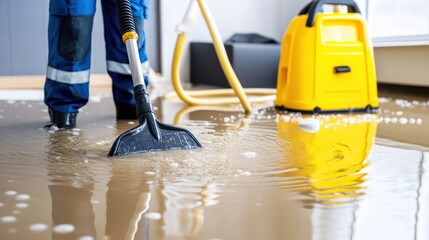
The first step in the restoration process is water removal, a task that involves extracting gallons of water from affected areas with industrial-grade vacuums and submersible pumps. Prompt extraction is critical for flooded house repair because delay leads to structural issues and mold growth, requiring additional repairs and costly remediation later on.

After removing standing water, a professional team works to thoroughly dry out the area. This is a crucial step because moisture in the air promotes mold growth and can lead to other types of structural damage. During this phase, professionals use high-powered fans and dehumidifiers to increase airflow and evaporation. This process can take several days for large areas and even longer for porous materials like drywall and wood.

This stage also includes disinfection and cleaning. Professionals scrub surfaces, wipe down belongings and sanitize the entire area to prevent the spread of bacteria, mold spores and other contaminants. This process can take a few days for small areas, and for larger spaces, it may take up to a week or more.

It’s important to note that the length of this step depends on how extensive the damage is and where the water originated from. For example, a leak from a washing machine in a tiled room is less challenging for professionals to clean and dry than a flood caused by a burst pipe in a carpeted room.

The duration of this phase is also impacted by the weather, with hot and humid summers increasing drying times significantly. Additionally, the involvement of insurance companies in water damage restoration can also slow down the process because of the need to wait for an inspection and approval before starting mitigation work. This can cause delays in the overall restoration timeline, but a reliable and experienced water damage restoration company will make every effort to work efficiently and keep homeowners informed of their restoration timelines.

Cleaning

Water damage can occur in your home for a variety of reasons: a burst pipe, a sudden flood, or a plumbing problem. Whatever the cause, it’s important to recognize the signs and contact a restoration company as soon as possible. The longer water remains in your home, the more severe the damage and the greater the risk of mold and mildew growth.

The first step in the restoration process is assessing the damage and determining an appropriate timeline for cleanup and repair. A thorough assessment requires the use of tools like moisture detectors and infrared cameras, which help determine how deep the damage goes. This helps the professionals determine what materials can be saved and what needs to be replaced. It’s also crucial to document the extent of the damage for insurance purposes, including taking photos of affected areas.

After the initial assessment, it’s time for water extraction. The rapid removal of standing water using specialized equipment is essential to mitigate further damage. This is especially important for porous materials, like wood and drywall, which are susceptible to structural deterioration and other problems if they remain wet for too long.

Once the water has been removed, the next step is drying and dehumidification. The use of fans and dehumidifiers helps manage moisture levels in the area, which prevents mold and mildew growth and other complications. The timeline for this phase will vary depending on the severity of the damage and the type of water. Clean water (Category 1) is generally easier to restore than gray or black water, which require more extensive cleaning, disinfection, and material replacement.

After the area has been dried and dehumidified, it’s time for sanitization and repairs. This includes everything from sanitizing fabrics and upholstery to repairing structural issues. The sanitization and repair process can take up to a week, though it may be longer for larger properties or more extensive damage.

Structural Repairs

Once visible water damage is addressed, professionals work to prevent further complications by securing the affected area. They may remove ruined building materials, clean and disinfect salvageable items, and deodorize the space. This process can take a few days for minor repairs or several weeks for extensive reconstruction. The amount of time needed largely depends on how fast the space can be stabilized, how quickly water is removed from porous materials like drywall, and how quickly insurance companies approve repairs.

If water damage is left untreated, it will lead to mold growth, drywall issues, warped flooring, and other problems that can be expensive and difficult to fix. That’s why it’s so important to call a water damage restoration company as soon as possible after experiencing a flood or leaky roof.

Water damage repair takes on average two weeks to dry, clean, and repair. However, the timeline can vary drastically depending on a variety of factors including the extent of the damage, how much water is present, and the type of water (clean or toxic black water).

The restoration process starts with inspecting the property using moisture detectors, infrared cameras, and other tools to assess the extent of the damage. It’s important to act quickly during this phase because water will begin damaging surfaces and materials within minutes of exposure.

After assessing the damage, water restoration experts can start working on structural repairs. This could include replacing drywall, fixing leaks, or repainting affected areas. It can also involve installing new carpeting, tile, or hardwood floors if the existing ones are damaged beyond repair.

Once the affected materials are replaced, the restoration team can begin cleaning and sanitizing the space to get it back to a livable condition. This includes scrubbing surfaces, cleaning salvageable items, and applying antimicrobial treatments to prevent further mold growth. It’s also a good idea to get the air in your home tested for contaminates since bacteria and viruses can thrive in damp conditions. This step typically takes a day or two to complete but can be longer if there are significant odors that need to be eliminated.

Documentation

Whether you have a minor leak behind a wall or severe flooding from a burst pipe, the water damage repair process can be long and complex. It can also be difficult to keep up with all the work and details involved. That’s why it’s important to know how much time to expect, what is included in the restoration process, and how to best document efforts.

The first step in restoring your home after water damage is the initial assessment and mitigation phase. This involves a thorough inspection of the affected areas by a professional. They’ll use moisture detectors and infrared cameras to determine how far the water has penetrated into the structure. This helps them build a timeline for the rest of the project and determine how to proceed.

Mitigation efforts should be done as soon as possible to limit damage and save money. Prompt response also reduces the chance of mold growth, structural weakening, and other issues that can arise if left untreated. The longer standing water remains in the property, the more expensive and extensive it becomes to restore.

After removing the water and preparing the site for restoration, the next step is to dry and dehumidify the space. The restoration company will use high-powered fans, industrial-strength dehumidifiers, and other specialized equipment to remove moisture from the property. This helps speed up evaporation, prevents mold growth, and eliminates odors. This step typically takes a few days to a week.

Once the spaces are dry, they’ll be sanitized and disinfected to get rid of bacteria, mildew, and other contaminants that could pose health risks to occupants. This includes scrubbing and cleaning salvageable surfaces, treating drywall for mold, and applying antimicrobial treatments to prevent future bacterial growth. This step can take a few days to a week or more, depending on the extent of the damage and the level of contamination.

Once all the moisture and bacteria have been eliminated, the last step is to rebuild and repair the spaces. This can involve anything from replacing drywall and flooring to fixing leaks and painting rooms. The length of this step depends on the extent of the repairs and how long it takes to get approval from your insurance company.

Breathing New Life: The Future of Air Conditioning Replacement

The comfort of a cool indoor space is something many take for granted. Yet behind that comfort is a system that works tirelessly and eventually wears down. Air conditioning replacement has become more than a simple necessity; it is now an opportunity to embrace innovation, efficiency, and sustainability. Replacing an old unit is no longer just about cooling a space but redefining how we live within it.

hvac

The lifespan of most cooling systems is limited, and over time, performance begins to decline. What was once efficient now struggles to maintain the same temperature levels without consuming excessive energy. Frequent repairs become costly, and older units often fail to meet modern standards. Replacement becomes the most practical and future-ready solution. Contact AIR CONDITIONING REPLACEMENT LOVELAND OH for professional help.

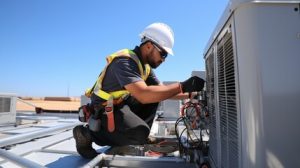
Technological advancements have transformed how new systems are designed and installed. Modern units offer smarter temperature control, energy optimization, and adaptive features that respond to environmental changes. They are built with durability and precision, making them more reliable and efficient. This evolution has shifted air conditioning replacement from a routine upgrade to a strategic decision.

Energy efficiency is one of the strongest motivations for replacement. Older systems often consume far more power than necessary, leading to higher utility bills and increased environmental impact. New models are engineered to use energy intelligently, providing consistent cooling while reducing consumption. This not only benefits the environment but also leads to significant long-term cost savings.

The rise of smart home technology has influenced replacement choices as well. Many modern systems can be controlled remotely through mobile devices, allowing users to monitor and adjust temperature settings from anywhere. Automated scheduling and learning capabilities adapt to daily routines, enhancing both comfort and convenience. This level of control was once unimaginable but is now a standard expectation.

Indoor air quality is another vital consideration in air conditioning replacement. Older units often circulate dust, allergens, and pollutants, compromising health and comfort. Modern replacements incorporate advanced filtration systems that improve indoor air quality dramatically. This makes a new unit not just a cooling solution but an investment in wellness.

The environmental impact of air conditioning cannot be ignored. Traditional refrigerants used in older units are often harmful to the atmosphere. Newer systems use eco-friendly alternatives that reduce greenhouse gas emissions. Choosing to replace an outdated unit is therefore an environmentally responsible decision that contributes to global sustainability goals.

Noise levels also influence the replacement decision. Aging units tend to become louder over time due to worn-out components and inefficient designs. Modern air conditioning systems operate quietly, maintaining a peaceful indoor environment. This enhanced comfort is especially valuable in homes, offices, and learning spaces where noise control is important.

Replacement also offers an opportunity to reassess cooling needs. Over the years, building layouts, insulation, and usage patterns may change, altering the required cooling capacity. Professionals can conduct load assessments to ensure the new system is properly sized and tailored to the space. This ensures optimal performance and eliminates unnecessary energy waste.

Installation techniques have evolved alongside technology. Modern systems are designed for faster, more precise installation with minimal disruption. Skilled technicians use advanced tools to ensure correct placement, airflow optimization, and seamless integration. A proper installation is critical to maximizing system lifespan and performance.

Regular maintenance is still essential, but new units require less frequent service. Built-in diagnostic tools can monitor system health and alert users to potential issues before they become costly problems. This proactive approach reduces downtime and extends the life of the investment. It also offers peace of mind knowing the system is always performing at its best.

Cost considerations often influence the decision to replace. While the upfront investment can seem significant, the long-term financial benefits are clear. Lower energy bills, fewer repairs, and potential tax incentives make replacement more cost-effective over time. Additionally, property value can increase with the installation of a modern, efficient cooling system.

Seasonal timing plays a role in replacement decisions too. Many choose to upgrade during cooler months to avoid peak demand and ensure installation is completed before temperatures rise. This strategic timing allows for better scheduling flexibility and often lower installation costs. Planning ahead makes the transition smooth and stress-free.

The future of air conditioning replacement will likely focus even more on sustainability and intelligent technology. Innovations like adaptive climate control, solar-assisted systems, and predictive maintenance will become mainstream. These features will enhance energy efficiency and reduce operational costs while delivering superior comfort. Staying ahead of these trends ensures a replacement decision remains relevant for years to come.

Commercial and industrial spaces are also rethinking their cooling strategies. Larger buildings require more complex systems that balance energy use, zoning, and airflow. Replacing outdated central systems with modular or scalable solutions allows for precise climate control across different areas. This level of customization was once limited but is now achievable with modern replacements.

The rise of green building standards has placed additional emphasis on energy-efficient cooling systems. New air conditioning units can help meet strict sustainability certifications, adding value to properties and businesses. These certifications demonstrate environmental responsibility and can enhance marketability. Replacing older systems is often a key step toward achieving such standards.

As populations grow and climates change, demand for efficient cooling will continue to rise. Future systems will need to balance performance with resource conservation, offering maximum comfort with minimal impact. This will push manufacturers to innovate even further, creating systems that redefine what replacement means. The decision to upgrade today is part of a larger shift toward sustainable living.

One overlooked benefit of replacement is the psychological comfort it provides. Knowing that a reliable, efficient, and safe system is in place reduces stress and enhances overall quality of life. It transforms spaces into sanctuaries of comfort, productivity, and relaxation. This intangible value is often more meaningful than any financial calculation.

Even aesthetic considerations play a part in replacement decisions. Modern units are more compact, stylish, and versatile, blending seamlessly with interior designs. They offer more installation options, from wall-mounted units to concealed ducted systems. This allows homeowners and designers greater flexibility in creating functional and visually appealing spaces.

For many, the decision to replace an air conditioning system marks a turning point. It’s a commitment to improved living standards, lower costs, and environmental responsibility. It’s a recognition that technology has evolved and that comfort can be reimagined in smarter, more sustainable ways. Replacement is no longer a response to failure — it’s a proactive step toward the future.

The process doesn’t end once the new system is installed. Proper usage habits, periodic maintenance, and system monitoring will ensure it operates efficiently for years. Educating users on best practices, such as setting optimal temperatures and cleaning filters, can further extend the system’s lifespan. This partnership between technology and user behavior is key to maximizing benefits.

Ultimately, air conditioning replacement is about more than cooling a space. It’s about embracing innovation, reducing environmental impact, and enhancing quality of life. It reflects an evolving relationship with technology — one that prioritizes comfort, sustainability, and intelligence. As homes and businesses become more connected and efficient, replacement will remain a cornerstone of that evolution.

Every new system installed today represents a step forward in how we live and work. It is a testament to progress, proof that technology can make daily life more comfortable and responsible. Air conditioning replacement, once seen as a routine task, is now a meaningful decision that shapes the future of comfort. And with each upgrade, we move closer to a world where cooling is not just convenient but truly transformative.

The Benefits of Working with Licensed and Experienced General Contractors

When it comes to home renovations, commercial projects, or large-scale construction work, the choice of a general contractor can make or break the outcome. Hiring the right professional is more than a convenience—it is a strategic decision that directly affects quality, timelines, cost, and safety. General contractors play a central role in coordinating every aspect of a project, from initial planning and permitting to execution and final inspections. For homeowners, business owners, and developers alike, working with licensed and experienced contractors offers benefits that far outweigh the cost of professional services, ensuring both peace of mind and superior results.

general contractor

One of the primary advantages of hiring a licensed General Contractor Lexington KY is the assurance of compliance with local building codes, regulations, and safety standards. Licensed contractors are required to meet specific criteria, including formal training, practical experience, and examinations that verify their knowledge of construction laws and practices. This ensures that any project undertaken meets legal requirements and adheres to safety protocols. Compliance is particularly important in projects involving structural changes, electrical work, plumbing, or roofing, where deviations from code can result in fines, costly rework, or even legal liability. By choosing a licensed professional, clients mitigate the risk of regulatory issues and guarantee that the project is built on a solid foundation of legal and technical knowledge.

Experience is another critical factor that sets top contractors apart. Seasoned professionals have encountered a wide range of challenges and scenarios, allowing them to anticipate potential problems and implement effective solutions before they escalate. Experienced contractors bring insight into material selection, project sequencing, and workflow management, which enhances efficiency and reduces costly mistakes. Their familiarity with common pitfalls, from weather delays to subcontractor coordination, ensures that projects proceed smoothly. Moreover, experienced contractors often maintain relationships with trusted suppliers and subcontractors, ensuring the timely delivery of materials and access to skilled tradespeople. This network is invaluable for completing projects on schedule and within budget.

Project management is at the core of what general contractors do, and their expertise directly benefits clients. Coordinating multiple trades, scheduling inspections, and managing resources can be overwhelming for anyone without professional training. Licensed contractors streamline these processes, creating detailed project timelines, securing necessary permits, and overseeing every phase of construction. Their oversight prevents miscommunication among subcontractors, reduces downtime, and ensures that each stage of the project aligns with the client’s vision. Effective project management not only maintains quality and efficiency but also protects the client’s investment by avoiding delays, errors, or unnecessary expenditures.

Safety is a non-negotiable consideration in construction, and licensed contractors prioritize it in every project. Construction sites involve inherent risks, from heavy equipment and elevated work areas to electrical systems and hazardous materials. Experienced contractors implement rigorous safety protocols, ensure proper protective equipment is used, and train workers to handle potential hazards. Insurance coverage, often required for licensed contractors, further protects both the client and the workers in case of accidents. By hiring professionals with a strong safety track record, homeowners and business owners reduce the likelihood of injury, liability, and property damage, creating a secure environment throughout the construction process.

Financial accountability is another key benefit of working with licensed general contractors. Transparent budgeting, accurate cost estimates, and proper contract management ensure that clients understand the financial scope of their project from the outset. Licensed contractors typically provide written estimates, clearly outlining materials, labor, permits, and contingency plans. Experienced professionals are also skilled at managing changes in scope, negotiating with suppliers, and identifying cost-saving opportunities without sacrificing quality. This financial oversight minimizes unexpected expenses and provides peace of mind, allowing clients to focus on design decisions and project outcomes rather than worrying about hidden costs or overruns.

Quality assurance is an area where licensed and experienced contractors excel. They have the technical skills and industry knowledge to execute work to the highest standards. Whether the project involves custom cabinetry, structural modifications, roofing, or full-scale remodels, a professional contractor ensures that every detail meets or exceeds expectations. Experienced contractors are also adept at problem-solving on the fly, quickly addressing unforeseen issues such as material defects, weather disruptions, or design adjustments. This level of professionalism ensures a finished product that is durable, functional, and aesthetically pleasing, ultimately enhancing the value of the property.

Two key considerations for homeowners or developers when selecting a contractor include licensing verification and experience evaluation:

  1. Verify Credentials and Licensing – Confirm that the contractor holds current licenses and meets state or local requirements. Licensing ensures technical knowledge, legal compliance, and access to insurance protections, providing an added layer of accountability.
  2. Assess Past Projects and References – Reviewing a contractor’s portfolio, client testimonials, and completed projects helps evaluate their expertise, reliability, and ability to handle projects similar in scale and complexity. Experienced contractors demonstrate consistency in delivering high-quality results.

Time efficiency is another tangible benefit of working with experienced contractors. Construction projects involve numerous interdependent tasks that must be sequenced correctly. Delays in one phase can ripple through the entire project, resulting in extended timelines and additional costs. Licensed contractors use established project management strategies to schedule work, coordinate deliveries, and maintain deadlines. Their experience allows them to anticipate bottlenecks and proactively adjust timelines, ensuring that the project progresses without unnecessary interruptions. For clients, this translates into a smoother construction experience and timely project completion.

Professional contractors also offer design guidance and practical recommendations that enhance both functionality and aesthetic appeal. Many clients seek expert advice when selecting materials, finishes, and layouts. Experienced contractors provide insights into durability, maintenance requirements, and cost-effectiveness, guiding clients toward choices that balance style with long-term value. Their knowledge can also help maximize space utilization, improve energy efficiency, and integrate modern amenities without exceeding budget constraints. The combination of technical expertise and design insight ensures that the outcome is both visually appealing and highly functional.

Another important consideration is risk mitigation. Construction projects inherently carry risks, from unforeseen structural issues to supply shortages or weather-related delays. Licensed and experienced contractors are adept at identifying potential risks before work begins and developing contingency plans to address them. Their ability to navigate challenges minimizes disruptions, protects the client’s investment, and ensures that the project meets safety and quality standards. Clients benefit from reduced stress and greater confidence in the project’s success, knowing that professionals are managing uncertainties on their behalf.

Communication and accountability are also enhanced when working with licensed general contractors. Professionals maintain clear lines of communication, provide regular updates, and respond promptly to questions or concerns. Detailed contracts and documentation outline responsibilities, timelines, and payment schedules, ensuring transparency and mutual understanding. Effective communication fosters collaboration between clients, contractors, and subcontractors, reducing misunderstandings and enhancing overall satisfaction. This level of accountability is particularly important in complex projects, where multiple stakeholders and moving parts must be coordinated efficiently.

Maintenance and warranty support further demonstrate the advantages of professional contractors. Many licensed contractors provide warranties or guarantees on their work, offering reassurance that any issues will be addressed post-completion. This support protects the client from unforeseen defects or failures and ensures long-term performance of the improvements. The combination of high-quality workmanship, professional oversight, and warranty coverage enhances the overall value and longevity of the property. Investing in a licensed and experienced contractor a prudent choice.

In conclusion, working with licensed and experienced general contractors delivers significant benefits that go beyond convenience. From ensuring legal compliance, safety, and energy efficiency to providing high-quality workmanship, financial transparency, and effective project management, professional contractors play a critical role in achieving successful construction outcomes. Their expertise reduces stress, prevents costly errors, and enhances both aesthetic and functional aspects of a property.

For homeowners, developers, and business owners, investing in a licensed and experienced contractor is a strategic decision that maximizes return on investment, protects property value, and delivers peace of mind throughout the construction process. By prioritizing credentials, evaluating experience, and considering both technical and design expertise, clients can ensure that their projects are completed on time, within budget, and to the highest standards. Ultimately, professional contractors are not merely service providers—they are partners in transforming ideas into lasting, high-quality results.

The combination of licensing, experience, and professionalism ensures that construction projects meet or exceed expectations, creating homes and commercial spaces that are safe, functional, and visually appealing. By working with skilled general contractors, property owners safeguard their investment, streamline project execution, and achieve outcomes that reflect both quality and value, reinforcing the importance of professional expertise in every construction endeavor.