The Importance of Proper Plumbing Installation

Lehi Plumber

A plumbing system manages water for drinking and bathing. It also disposes of wastewater and prevents drainage backups. It requires a careful design, skillful work, and compliance with codes to function properly.

Lehi Plumber follow building standards to install pipes that meet requirements for safety and performance. These codes specify pipe materials, sizes, and installation methods.

Design

A plumbing system is an intricate network of pipes, fixtures like sinks and toilets, and equipment for delivering clean water and disposing of waste. Whether you’re building a new home or replacing your existing plumbing, the design process is essential to ensure your water flows properly and safely.

A good plumber will create a detailed plumbing installation plan before beginning any work. This will include a layout of the pipe route, fixture placement, and materials to be used. This will ensure the final plumbing system meets local codes and standards, and enables future repairs and maintenance with ease.

The water source, including city water or a private well, will influence the overall plumbing system design. The plumber will take into account the water’s quality, temperature, and usage demands, as well as any potential contaminants. The plumber will also consider energy efficiency by determining the size and location of water heaters, and incorporating energy-efficient features like low-flow fixtures and insulated piping.

A residential plumbing system is typically smaller than a commercial plumbing system, and is designed to serve moderate water usage in a single-family home or multi-family dwelling. The system can still be complex, however, as it may need to support multiple bathrooms, appliances, and water sources. The plumbing system will also have to manage sewage drainage and venting, as well as meeting stricter health and safety regulations.

Permits

A permit is an official approval from your local building department indicating that your plumbing work meets safety and health codes. While there are national plumbing codes, local regulations take precedence and must be followed as a priority by plumbers and homeowners alike. A permit ensures that all work is done correctly and safely, and it helps prevent leaks and other issues that could impact your home’s water supply or drain system.

Permit requirements vary by location, but most projects require an application with contractor contact information and detailed project drawings. Typical fees range from $25 to $500, and inspections are scheduled at key points in the process and upon completion.

It’s important to understand when a permit is needed, as failing to obtain one can have serious consequences. In addition to fines and a potential stop-work order, unpermitted work can also affect property value and insurance coverage. If you are planning to sell your home, it’s a good idea to have all plumbing work properly permitted and inspected prior to starting any renovations.

Some minor repairs may not need a permit, but larger changes to your plumbing will almost always require one. Be sure to check with your local building department and ask a qualified professional if you’re not sure what work will need a permit. In some cases, you can apply for a permit as a homeowner, but it’s a good idea to hire a licensed plumber to do the work and apply for the permit on your behalf. In some areas, a permit can be issued the same day or within a few days, while more complex projects with detailed plans might take longer to review and approve.

Inspections

A plumbing inspection can catch a host of problems, including undetected leaks that lead to water waste, structural damage, and mold infestations. Regular inspections can also help maintain your property value, reduce the likelihood of emergency repairs, and prevent costly water bills.

When you schedule a plumbing inspection, your inspector will check all exposed pipes and fixtures for leaks, corrosion, and proper connections. They will test the water pressure, and locate and identify all shut-off valves. They will also look at outdoor spigots and water heaters for damage or signs of leaks.

During a plumbing inspection, your inspector may recommend repairs or upgrades to improve your system’s performance. They will provide you with a clear explanation of the issue, along with cost estimates and suggestions for long-term maintenance. You can then decide whether to make the recommended repairs or upgrade your system.

If you’re planning on selling your property, it’s a good idea to get a plumbing inspection before you list it. This will give you peace of mind that your home’s plumbing is up to code and in working condition. It can also help you negotiate a better price with potential buyers.

The city of New York has specific standards for piping and fixtures. A knowledgeable Property Inspector will be able to assess your plumbing for compliance with these codes, which can have a significant impact on resale value. They’ll use a variety of tools, including a video scope, to assess the condition of your property’s sewer lines. This helps them spot root intrusions, blockages, and other issues that would be difficult to detect with a visual inspection. They’ll then report on their findings in a written report.

Materials

A plumbing system’s pipes are the backbone of the network that delivers clean water to fixtures and removes wastewater. The design of these lines involves balancing multiple objectives, including ensuring proper water pressure, minimizing the risk of leaks, and complying with local codes and standards. Professional plumbers have access to a wide range of materials, tools, and equipment that allows them to complete the work safely and effectively.

Pipes are the highways that transport water to and from fixtures, and they must be durable enough to withstand constant pressure and temperature changes. The type of pipe used in a plumbing system depends on the project’s needs and budget. For example, copper piping is popular for its durability and natural antimicrobial properties. It also offers greater flexibility than traditional iron or steel pipes. Meanwhile, plastic pipes like polyvinyl chloride (PVC) and cross-linked polyethylene (PEX) are less expensive than copper and offer improved freeze resistance.

These pipes must also be compatible with the fixtures and appliances that will connect to them. For example, PVC and PEX pipes are suitable for hot water, while cast iron is usually reserved for drain pipes or main sewer lines. Plumbers must carefully match pipe material and size to ensure a strong, long-lasting system.

Other important considerations include water source and quality, fixture capacity and demand, and environmental conditions. For example, energy efficiency is an increasingly important issue for homeowners, and a well-designed plumbing system can help reduce energy consumption with insulated piping and high-efficiency water heaters. Additionally, a plumber must always comply with local codes and standards to avoid fines and other legal issues.

Installation

Plumbing systems consist of a network of pipes that transport clean water and remove wastewater, keeping buildings hygienic and safe. They are distinguished from water and sewage systems that serve larger areas or cities. For new constructions or replacements, the process starts with a detailed design that outlines the routing of pipes, fixture placement, and integration with the supply and drainage subsystems. Licensed plumbers create this plan to ensure it satisfies local plumbing codes and standards.

The next step involves constructing the rough-in plumbing. During this phase, plumbers install supply lines and connect them to fixtures like toilets, bathtubs, showerheads, kitchen sinks, and washing machines. They also set up drain and venting systems to eliminate sewer gas and allow fresh air into the building. They may use CPVC, copper, or PEX pipes, depending on the project requirements and availability.

Once the construction phase is over, you can start using your plumbing system. However, you should winterize your home plumbing system to prevent freezing and pipe bursts. This includes shutting off your main water valve, draining outdoor faucets and indoor/outdoor spigots, and applying non-toxic antifreeze to your outside and basement pipes.

The main purpose of a plumbing system is to provide water for consumption, bathing, and cleaning. Its secondary function is to remove sewage and waste, which must be done efficiently to prevent blockages and overflows. This is why it is important to hire a professional plumbing service for installation and maintenance work. Professionals follow strict safety and building code guidelines to guarantee a safe and efficient plumbing system. They also offer a wide range of services, from repairs and maintenance to emergency plumbing support.
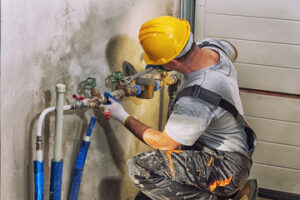
Understanding Different Plumbing Services: A Complete Guide for Homes and Businesses

Plumbing is one of the most essential systems in any home or commercial property, providing clean water for drinking, cooking, and hygiene, while ensuring effective wastewater removal. Despite its importance, plumbing systems are often taken for granted until problems arise. From leaks and clogs to installation and maintenance, professional plumbing services cover a wide range of tasks designed to keep water systems functioning efficiently. Understanding the different types of plumbing services available can help homeowners and business owners protect their property, reduce costs, and ensure the longevity of their systems. Click here at https://cpiplumbinginc.com/ to get started.

plumbing

Professional plumbing services can be categorized into several key areas, each addressing specific needs and challenges. One of the primary services is installation and replacement. This includes the installation of pipes, faucets, sinks, toilets, showers, water heaters, and other plumbing fixtures. Proper installation is critical, as incorrect or low-quality work can result in leaks, water damage, or inefficiency. Professional plumbers use their expertise to ensure all components are correctly fitted, comply with local building codes, and meet long-term durability standards. Replacement services also allow for the upgrade of older fixtures, improving water efficiency and system reliability.

Another fundamental service offered by plumbing professionals is repair and maintenance. Over time, plumbing systems experience wear and tear, corrosion, or damage from environmental factors. Maintenance services include routine inspections, cleaning of drains, testing water pressure, and checking for leaks or pipe deterioration. Proactive maintenance helps prevent major issues that could lead to costly repairs or property damage. Repair services cover a wide spectrum, from fixing minor leaks and clogged drains to addressing more significant issues such as broken water heaters or damaged sewer lines. Prompt attention to plumbing problems not only restores functionality but also safeguards the structural integrity of the building.

Emergency plumbing services are an essential component of comprehensive plumbing support. Unexpected incidents like burst pipes, overflowing toilets, or sudden water leaks require immediate action to prevent extensive damage. Emergency plumbers are available around the clock to respond quickly, diagnose the problem, and provide effective solutions. Rapid response is especially critical in commercial properties, where downtime can affect operations and revenue, as well as in homes where water damage can compromise personal belongings and property safety. Knowing that emergency plumbing support is available provides peace of mind to property owners.

Drain and sewer services form another crucial category of plumbing solutions. Drain cleaning and unclogging are necessary to maintain smooth water flow and prevent backups. Over time, hair, grease, soap, and debris can accumulate in pipes, leading to slow drainage or blockages. Professional plumbers use specialized tools such as drain snakes, hydro-jetting, and video inspection equipment to identify and clear clogs effectively. In addition, sewer line repair and replacement services ensure that wastewater is safely carried away from the property, preventing unpleasant odors, contamination, and potential structural damage.

Water heating services are also a key part of plumbing. Hot water is a necessity for daily life, and issues with water heaters can disrupt comfort and hygiene. Plumbing services include the installation, maintenance, and repair of water heaters, whether tank-based, tankless, or solar-powered. Regular maintenance, such as flushing the tank, inspecting valves, and checking for corrosion, helps prevent malfunctions and extends the lifespan of the system. Properly maintained water heating systems not only provide consistent hot water but also improve energy efficiency, reducing utility costs.

Leak detection and repair services are essential for preserving water systems and preventing damage. Undetected leaks can lead to mold growth, structural damage, and higher water bills. Advanced detection techniques, including thermal imaging and electronic leak detection, allow plumbers to locate hidden leaks in walls, ceilings, or underground pipes. Once detected, these leaks are promptly repaired, safeguarding property and maintaining the integrity of the plumbing system.

In addition to these core services, plumbing system upgrades and remodeling are increasingly in demand. Older homes and buildings may require modernization to meet current plumbing standards, improve water efficiency, and integrate new technologies. Upgrades can include replacing outdated pipes, installing water-saving fixtures, and incorporating smart plumbing systems that monitor water usage or detect leaks automatically. Remodeling services may also extend to kitchen and bathroom renovations, where plumbing work is necessary to accommodate new layouts, appliances, and fixtures. Professional guidance ensures that these upgrades enhance both functionality and aesthetics.

For businesses, commercial plumbing services address specific challenges related to large-scale operations. Restaurants, offices, and industrial facilities require reliable plumbing to meet operational and regulatory requirements. Services may include grease trap cleaning, high-capacity water heating systems, backflow prevention, and regular maintenance schedules to ensure compliance with health and safety standards. Commercial plumbers have the expertise to manage complex plumbing systems efficiently, minimizing downtime and ensuring smooth operations.

Water filtration and purification are increasingly integrated into modern plumbing services. Clean water is essential for health and appliance longevity. Plumbers can install and maintain filtration systems that remove impurities, chemicals, and sediment from water supplies. These systems protect both residents and equipment while improving the taste and quality of water. Proper installation and maintenance of filtration systems are key to sustaining a safe and reliable water supply.

Essential Plumbing Services

  1. Installation and replacement of pipes, fixtures, and water heaters
  2. Routine maintenance and inspections for leaks and system efficiency
  3. Emergency repairs for burst pipes, leaks, or water damage
  4. Drain cleaning and unclogging using advanced techniques
  5. Sewer line repair and replacement
  6. Water heater installation, repair, and maintenance
  7. Leak detection and repair, including hidden and underground leaks
  8. System upgrades and plumbing remodeling for efficiency and modernization
  9. Commercial plumbing solutions for businesses and industrial facilities
  10. Water filtration and purification system installation and maintenance

While these services cover the majority of plumbing needs, professional plumbers also provide personalized solutions tailored to each property. Factors such as the age of the building, the material of existing pipes, local regulations, and water quality considerations all influence the specific approach to plumbing maintenance, repairs, and upgrades.

Customer support and education are critical elements of professional plumbing services. Plumbers often provide guidance on routine care, signs of potential issues, and preventive measures that can reduce long-term costs and extend the lifespan of plumbing systems. Educating property owners about how their plumbing works, and what to watch for, empowers them to maintain systems effectively and respond quickly to emerging problems.

Technological advances have transformed plumbing services in recent years. Video inspections, electronic leak detection, and smart monitoring systems allow plumbers to diagnose problems quickly and accurately. These tools minimize invasive procedures, reduce repair times, and improve the accuracy of interventions. Technology integration ensures that plumbing services are not only effective but also convenient and minimally disruptive.

Sustainable plumbing practices are becoming increasingly important in modern homes and businesses. Water conservation, efficient fixtures, and leak prevention are key strategies to reduce environmental impact and lower utility bills. Professional plumbers can recommend and implement eco-friendly solutions that improve system performance while supporting sustainability goals. Incorporating sustainable practices demonstrates a commitment to both efficiency and environmental responsibility.

Customer satisfaction remains a cornerstone of quality plumbing services. Professional plumbers prioritize reliability, transparency, and professionalism. Accurate estimates, clear explanations of required work, and timely project completion ensure a positive experience for homeowners and business owners alike. Trust is built through consistent performance, attention to detail, and the ability to resolve problems effectively, making professional plumbing services an invaluable resource for property management.

In conclusion, understanding the different plumbing services available helps property owners maintain functional, safe, and efficient water systems. From installation and maintenance to emergency repairs, drainage solutions, water heating, system upgrades, commercial plumbing, and water filtration, professional plumbers offer comprehensive solutions to address a wide range of needs. Integrating advanced technology, sustainability practices, and personalized care ensures that plumbing systems remain reliable and effective for years to come. By investing in professional plumbing services, homeowners and businesses protect their property, improve efficiency, and enjoy peace of mind knowing that their water systems are in capable hands.

Skilled Plumbers Delivering Safe and Effective Pipe Repair Solutions

Pipes that are old or not insulated can be at risk of bursting, especially in colder weather. Rosenberg Plumbing can identify these risks and repair or insulate your pipes as needed. A repipe is also an option that typically provides better water pressure, reduces future leaks, and may even increase your property value.

Leak Detection

plumbing

When a homeowner discovers water leaking into their home, they need to act quickly. If left unchecked, a leaky pipe can cause costly damage to walls, ceilings, floors, and furnishings. In addition, it can lead to microbial growth and deterioration of building materials. Fortunately, skilled plumbers can help detect the source of the leak with a range of high-tech tools and techniques.

The first step in a professional leak detection service is to determine the type of leak and its size. This is important because it helps prioritize repair efforts and provides critical information about the integrity of the pipeline system. The process starts by measuring the residual water pressure in the pipeline and comparing it to a reference pressure. The residuals are then analyzed to identify a leak signature and compared against a database of known leaks. If a match is found, an alarm is sent to the monitoring station, and the technician can pinpoint the location of the leak.

A variety of non-invasive acoustic leak detection technologies can be used to identify pipeline leaks. These technologies use ultrasonic frequencies and magnetic fields to scan the interior of pipes without the need for excavation or shutting down service. They can also be used to detect the presence of liquids within pipes or at junctions, such as pumps and valves. These technologies are increasingly being used to replace older methods, such as visual inspection or pressure testing.

Water leaks are common in both residential and commercial settings, and can have major consequences if they go undetected. In fact, a single leaky faucet can waste up to 15-30% of treated potable water. Fortunately, skilled plumbers can provide effective and reliable leak detection services that help homeowners save money and prevent property damage.

Leaks are a serious problem for industrial systems that transport fluids and gases. They can disrupt production processes, increase operating costs, and threaten worker safety. Consequently, leak detection is essential for industrial applications such as water supply networks, gas pipelines, and oil refineries.

The borough presents unique challenges for plumbing and leak detection. From historic brownstones to modern high-rises, the borough has many different types of structures and materials that can present difficult conditions for detecting leaks. An experienced plumber can use a range of techniques to locate the source of a leak, including the use of a plumbing camera. These cameras are attached to a fiber-optic cable and can be guided through tight spaces without the need for drilling or damaging the structure. The plumber can then view the source of the leak and make any necessary repairs.

Pipe Repair

A faulty plumbing system can result in a variety of issues, from slow drains and clogs to water pressure loss or a sudden change in the taste or color of the water. Many of these problems are caused by pipes that have broken down due to age or harsh weather conditions. Fortunately, skilled plumbers offer a wide range of pipe repair services that can help keep your home or business safe and functional.

A high-performing plumbing company can diagnose and repair all types of pipe issues, from leaking joints to cracks in the main line. They will use specialized tools to assess the condition of your pipes, including sewer cameras, and will determine whether pipe repair or replacement is the best option for you.

Skilled technicians with advanced diagnostic capabilities can identify issues that might elude less experienced providers, such as incipient corrosion under intact exteriors. Their superior understanding of piping dynamics also informs their capacity to craft restoration solutions with the distinct circumstances of each plumbing network in mind. In doing so, they can offer precision and long-term solutions that stand up to the rigors of daily life.

The latest innovations in pipe restoration technology have made them more effective than ever. State-of-the-art tools, such as high-definition pipeline cameras, allow technicians to conduct non-invasive assessments of pipe conditions, allowing them to focus repairs on specific areas. The integration of robotics and automation into the process further enables precise, minimally invasive repairs in challenging or dangerous settings. New materials, such as liners that resist chemical and thermal stresses, offer reduced friction and improved water flow.

In addition to their superior work quality, seasoned sewer pipe companies often provide warranty-backed services that mitigate financial risks for clients. This guarantee helps alleviate anxiety over future complications and demonstrates their confidence in the craftsmanship of their work. Aside from offering peace of mind, a dependable piping system translates to lower repair bills and utility costs, making it a financially sound investment for homeowners.

Regular maintenance and inspection are the best ways to prevent a bursting pipe before it becomes an emergency. An A Good Plumber can look for a number of potential risks in your piping, such as aging or uninsulated pipes, and make sure these are addressed to prevent bursting.

Pipe Replacement

Whether your pipes need repair or replacement, experienced plumbing professionals can address your unique circumstances. Pipe restoration providers rely on a thorough evaluation to pinpoint specific issues, then devise an appropriate strategy to remedy them. This approach reduces costs by eliminating superfluous procedures, allowing them to provide more targeted solutions that deliver tangible financial value.

The heightened accuracy and precision of a skilled professional’s diagnostic eye contributes to the long-term viability of their solutions. They are adept at detecting subtle anomalies, such as erosion and fluctuations in water pressure, that could signal a pending catastrophe. By proactively addressing these risks, they can avert catastrophic failures and extend the functional life of your piping system.

Aside from repairing or replacing your pipes, plumbing experts can also provide treatments that elongate their use. These include epoxy lining, which can help mitigate corrosion and blockages, as well as water treatment systems that can prevent pinhole leaks and rusting. These services can save you money in the short term by preventing costly repairs, while providing future savings through reduced maintenance needs and increased operational efficiency.

Depending on the state of your piping, budgetary constraints, and plans, you may need to weigh the pros and cons of pipe repair versus pipe replacement. While repair is often a cost-effective solution, it’s not always feasible. Pipe repair is ideal for small leaks and minor problems, such as isolated rust or corrosion spots or clogs. It’s also a great option for pipes located in hard-to-reach areas.

However, if you are looking for a more long-term solution to your plumbing concerns, pipe replacement may be a better fit. While the initial investment for a full repipe is higher than pipe repair, it protects your property from severe water damage and provides peace of mind knowing that your piping system will be safe and dependable for decades to come.

Aside from reducing your risk of water damage, a repipe also improves your home’s energy efficiency and water quality by upgrading to newer, more efficient materials. This allows for faster, more stable water flow and minimizes the frequency of leaks.

Repiping

In some cases, repiping is the best solution to address recurring plumbing problems and ensure a safe water supply. While pipe repairs address individual issues, repiping removes old pipes and installs durable new lines that improve home performance. Professional plumbers offer a structured repiping process that includes inspection, planning, and installation to deliver quality results.

A complete repipe replaces all existing pipes in a home with modern materials that improve water flow and support long-term durability. Plumbers start by identifying the condition of existing pipe walls and material, then select suitable replacements like PEX or copper. Next, they plan the new layout for hot and cold water systems and ensure it complies with local plumbing codes. Finally, they obtain the necessary permits and schedule required inspections.

Repiping is a significant undertaking, but it eliminates outdated materials and corroded sections that can lead to pinhole leaks, water contamination, and structural damage. It also ensures a safe and efficient water delivery system that reduces maintenance, repair, and energy costs.

Leaks throughout the home suggest systemic problems with the water supply, not isolated defects. Multiple leaks across rooms and spaces indicate aging or outmoded pipes with corrosion, temperature stress, or inadequate design that can’t meet current demands. Patching these areas only seals leaks for a short time and leads to costly service calls and repairs over time. Repiping is a much more cost-effective and permanent solution.

During repiping, technicians create access openings in wall cavities, ceilings, and floors to expose and access old pipe runs. They carefully cut into drywall and flooring sections while minimizing disruption to interior surfaces. Old pipes are removed and replaced with new ones that support improved water flow, reduce future maintenance needs, and save on utility costs.

While repiping is an extensive job, professional plumbers work quickly and efficiently to minimize the impact on your daily routine. To prepare the home for repiping, plumbing professionals cover carpets and furniture to protect them from dirt and dust. They also take care to cover electronics and remove stored items from areas where repiping will occur. Once the repiping is complete, plumbers restore surface areas that were accessed to ensure they are seamless and visually clean.

Can Plumbing Failures Cause Water Damage to Homes and Businesses?

Plumbing failures can quickly cause significant water damage to homes and businesses. If you have a home in the Manhattan area, it’s important to understand what causes these issues and how you can avoid them.

Central Valley groundwater tests at 10-15+ grains per gallon, and hard water damages plumbing gradually with mineral buildup that shortens equipment life and drives up energy bills. Preventative maintenance and vigilance can go a long way to keeping your home safe from these problems. Check out https://jensenplumbingllc.com for more information.

Clogged Drains

plumbing

Drain clogs can be caused by hair, soap scum, foreign objects and more. These clogs can lead to backups and water damage that can be costly to repair. Many clogs can be resolved with home treatments, such as baking soda and vinegar, or professional services. If these solutions don’t work, a camera inspection may be needed to identify the source of the clog and determine the best course of action.

Pipe leaks can also cause serious water damage. They often occur at the joints where pipe segments connect, or in the valves that control water flow to appliances like dishwashers, washing machines and water heaters. Over time, the seals that hold these connections in place can deteriorate or break, allowing water to escape and cause damage. To help prevent this, regular maintenance and inspections are necessary to ensure the integrity of the seals.

Signs of a pipe leak or a faulty seal include puddles around appliances, unexplained water bills and moisture on walls and floors. If you notice any of these signs, contact a plumber right away to find and repair the problem before it causes more damage.

Clogged drains and leaking pipes can be caused by a variety of factors, including age, freezing temperatures, improper installation or care, and general wear and tear. Investing in plumbing maintenance and taking proactive measures to prevent these problems can save you money and stress in the long run. A local plumber can provide a range of drain cleaning and plumbing services to keep your home in peak condition. They can also help you understand the factors that affect your home’s plumbing and how to prevent future issues. Having this knowledge can help you protect your home and investment. Call today to learn more about the plumbing maintenance and repair services offered by your local plumber.

Burst Pipes

A water pipe burst can flood your home and cause significant damage to furniture, electronics, and other valuables. Recognizing warning signs like unexplained water stains or changes in your home’s water pressure can help you take quick action and minimize damage. Knowing what causes water pipes to burst, from freezing temperatures and movement to high water pressure and corrosion, can also help you prevent such problems in the future.

Most homeowners experience a water pipe burst at some point in their lives. Some of these incidents are accidental, such as drilling into walls without checking pipe locations or accidentally hitting a pipe during renovation work. These accidents may damage the pipes immediately or cause gradual weakness that leads to a sudden burst.

Other causes of burst pipes include aging or corroded materials, clogs, and poor installation. Older pipes made of steel or galvanized steel corrode over time, which can weaken them and make them more likely to rupture. Regular inspections and upgrades to modern materials like copper and PEX can help reduce this risk. Clogs in pipes often develop from a buildup of hair, dirt, grease, food waste, and other non-flushable material. When a clog blocks the flow of water, it creates excess pressure that may force the pipe to burst at its weakest point.

Water damage from a burst pipe can be expensive to repair and can lead to mold and mildew in your home. Having an emergency response plan that includes locating the main water shutoff, turning off your appliances and the electricity, and calling a plumber can help you mitigate damage and lower your costs. It’s also a good idea to document your plumbing repair and restoration costs, including receipts for temporary housing expenses and other expenditures.

While you can’t prevent all plumbing disasters, there are many steps you can take to protect your property and reduce the chance of a burst pipe. Understanding what causes these issues can help you avoid the most common ones, and practicing proper maintenance and scheduling regular professional inspections can also help. If you do experience a pipe burst, acting quickly to minimize water damage can save you thousands in repairs and restoration costs.

Sewer Backups

Sewer backups are messy and smelly, but they can also lead to major water damage that’s difficult—if not impossible—to repair. A sewer backup occurs when waste water and sewage flood back into your home instead of draining away from it. This can be due to a blockage in your pipes or the sewer system becoming overwhelmed during heavy rain or a spring thaw. Learn the warning signs and how to prevent a sewer backup so you can minimize damage and health risks.

Clogged or slow-draining sinks, tubs, and toilets are typically the first sign of a sewer backup. However, if you notice that many fixtures are clogged at the same time or a strong, foul odor is coming from your drains and toilets, it could indicate a much larger problem in the sewer line.

Grease, wipes, and other debris build up in your plumbing lines, causing blockages that reduce water flow and cause wastewater to overflow into your home. Tree roots grow into cracks in the sewer line and can also cause failure. Corrosion, shifting soil, and collapsed pipes also contribute to sewer backups.

A professional plumber can inspect your sewer line for problems that need to be repaired. You can also take steps to prevent sewer backups by removing invasive tree roots, regularly cleaning your floor drains, and redirecting downspouts to avoid flooding the sewer line.

If you notice a sewer backup, contact your local authorities right away. They can help you file a claim against the City of New York for water and sewer backups. If the backup was caused by a public condition, you can seek compensation through an administrative procedure established in Act 222 of the State of Michigan.

Property owners are responsible for their own home sewer service lines, which connect to the municipal sewer system in the street. Regular maintenance, proper use of the bathroom and kitchen, and preventing illegal connections can all reduce your risk of sewer backups and other expensive plumbing issues. It’s also important to ensure your homeowners insurance policy includes coverage for sewer backups.

Water Heater Leaks

Water damage from plumbing failures is one of the most common problems homeowners face. Even minor leaks or clogs can result in extensive water loss, which can lead to mold growth, wood rot, and compromised structural integrity. The good news is, with regular inspections and vigilance, homeowners can reduce their chances of costly water damage from fixtures and appliances in their homes.

Many people don’t realize that their home’s plumbing isn’t just pipes running through walls and ceilings, but it also includes appliances like dishwashers, washers, and refrigerators, which are susceptible to major leaks and faulty parts. These leaks often start small and go unnoticed for some time, causing significant water damage over a period of time.

If you notice a puddle of water around an appliance or see signs of warping or discoloration on your appliances, it’s likely due to a leak or faulty component. You can usually repair these issues before they become severe, but it’s important to address them quickly to avoid serious issues and potential water damage.

Water heater leaks are another common cause of residential water damage, and they’re often caused by a faulty temperature and pressure relief valve or by the tank itself. Water can easily flood into your home if the valve isn’t properly installed, and it may also leak from the bottom of the water heater if the unit is old or damaged.

Other sources of water damage include improper drainage and foundation issues that allow moisture to seep through walls or slabs, as well as sewer backups from contaminated wastewater. Additionally, extreme weather events can cause widespread flooding and water damage.

Preventing water damage from these issues is crucial for your home. Performing regular maintenance, checking appliances regularly, and seeking professional help with any leaks or damage that you can’t fix on your own are the best ways to protect your home from water problems. The experts at Rumsey Construction can assess your home for any water damage, including hidden moisture, and take the necessary steps to restore your home. Contact us today to learn more about our services and schedule an appointment!