Understanding Different Plumbing Services: A Complete Guide for Homes and Businesses

Plumbing is one of the most essential systems in any home or commercial property, providing clean water for drinking, cooking, and hygiene, while ensuring effective wastewater removal. Despite its importance, plumbing systems are often taken for granted until problems arise. From leaks and clogs to installation and maintenance, professional plumbing services cover a wide range of tasks designed to keep water systems functioning efficiently. Understanding the different types of plumbing services available can help homeowners and business owners protect their property, reduce costs, and ensure the longevity of their systems.
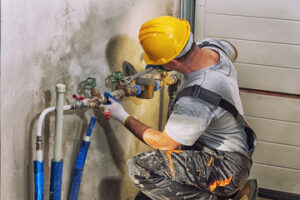
plumbing

Professional plumbing services can be categorized into several key areas, each addressing specific needs and challenges. One of the primary services is installation and replacement. This includes the installation of pipes, faucets, sinks, toilets, showers, water heaters, and other plumbing fixtures. Proper installation is critical, as incorrect or low-quality work can result in leaks, water damage, or inefficiency. Professional plumbers use their expertise to ensure all components are correctly fitted, comply with local building codes, and meet long-term durability standards. Replacement services also allow for the upgrade of older fixtures, improving water efficiency and system reliability.

Another fundamental service offered by plumbing professionals is repair and maintenance. Over time, plumbing systems experience wear and tear, corrosion, or damage from environmental factors. Maintenance services include routine inspections, cleaning of drains, testing water pressure, and checking for leaks or pipe deterioration. Proactive maintenance helps prevent major issues that could lead to costly repairs or property damage. Repair services cover a wide spectrum, from fixing minor leaks and clogged drains to addressing more significant issues such as broken water heaters or damaged sewer lines. Prompt attention to plumbing problems not only restores functionality but also safeguards the structural integrity of the building.

Emergency plumbing services are an essential component of comprehensive plumbing support. Unexpected incidents like burst pipes, overflowing toilets, or sudden water leaks require immediate action to prevent extensive damage. Emergency plumbers are available around the clock to respond quickly, diagnose the problem, and provide effective solutions. Rapid response is especially critical in commercial properties, where downtime can affect operations and revenue, as well as in homes where water damage can compromise personal belongings and property safety. Knowing that emergency plumbing support is available provides peace of mind to property owners.

Drain and sewer services form another crucial category of plumbing solutions. Drain cleaning and unclogging are necessary to maintain smooth water flow and prevent backups. Over time, hair, grease, soap, and debris can accumulate in pipes, leading to slow drainage or blockages. Professional plumbers use specialized tools such as drain snakes, hydro-jetting, and video inspection equipment to identify and clear clogs effectively. In addition, sewer line repair and replacement services ensure that wastewater is safely carried away from the property, preventing unpleasant odors, contamination, and potential structural damage.

Water heating services are also a key part of plumbing. Hot water is a necessity for daily life, and issues with water heaters can disrupt comfort and hygiene. Plumbing services include the installation, maintenance, and repair of water heaters, whether tank-based, tankless, or solar-powered. Regular maintenance, such as flushing the tank, inspecting valves, and checking for corrosion, helps prevent malfunctions and extends the lifespan of the system. Properly maintained water heating systems not only provide consistent hot water but also improve energy efficiency, reducing utility costs.

Leak detection and repair services are essential for preserving water systems and preventing damage. Undetected leaks can lead to mold growth, structural damage, and higher water bills. Advanced detection techniques, including thermal imaging and electronic leak detection, allow plumbers to locate hidden leaks in walls, ceilings, or underground pipes. Once detected, these leaks are promptly repaired, safeguarding property and maintaining the integrity of the plumbing system.

In addition to these core services, plumbing system upgrades and remodeling are increasingly in demand. Older homes and buildings may require modernization to meet current plumbing standards, improve water efficiency, and integrate new technologies. Upgrades can include replacing outdated pipes, installing water-saving fixtures, and incorporating smart plumbing systems that monitor water usage or detect leaks automatically. Remodeling services may also extend to kitchen and bathroom renovations, where plumbing work is necessary to accommodate new layouts, appliances, and fixtures. Professional guidance ensures that these upgrades enhance both functionality and aesthetics.

For businesses, commercial plumbing services address specific challenges related to large-scale operations. Restaurants, offices, and industrial facilities require reliable plumbing to meet operational and regulatory requirements. Services may include grease trap cleaning, high-capacity water heating systems, backflow prevention, and regular maintenance schedules to ensure compliance with health and safety standards. Commercial plumbers have the expertise to manage complex plumbing systems efficiently, minimizing downtime and ensuring smooth operations.

Water filtration and purification are increasingly integrated into modern plumbing services. Clean water is essential for health and appliance longevity. Plumbers can install and maintain filtration systems that remove impurities, chemicals, and sediment from water supplies. These systems protect both residents and equipment while improving the taste and quality of water. Proper installation and maintenance of filtration systems are key to sustaining a safe and reliable water supply.

Essential Plumbing Services

  1. Installation and replacement of pipes, fixtures, and water heaters
  2. Routine maintenance and inspections for leaks and system efficiency
  3. Emergency repairs for burst pipes, leaks, or water damage
  4. Drain cleaning and unclogging using advanced techniques
  5. Sewer line repair and replacement
  6. Water heater installation, repair, and maintenance
  7. Leak detection and repair, including hidden and underground leaks
  8. System upgrades and plumbing remodeling for efficiency and modernization
  9. Commercial plumbing solutions for businesses and industrial facilities
  10. Water filtration and purification system installation and maintenance

While these services cover the majority of plumbing needs, professional plumbers also provide personalized solutions tailored to each property. Factors such as the age of the building, the material of existing pipes, local regulations, and water quality considerations all influence the specific approach to plumbing maintenance, repairs, and upgrades.

Customer support and education are critical elements of professional plumbing services. Plumbers often provide guidance on routine care, signs of potential issues, and preventive measures that can reduce long-term costs and extend the lifespan of plumbing systems. Educating property owners about how their plumbing works, and what to watch for, empowers them to maintain systems effectively and respond quickly to emerging problems.

Technological advances have transformed plumbing services in recent years. Video inspections, electronic leak detection, and smart monitoring systems allow plumbers to diagnose problems quickly and accurately. These tools minimize invasive procedures, reduce repair times, and improve the accuracy of interventions. Technology integration ensures that plumbing services are not only effective but also convenient and minimally disruptive.

Sustainable plumbing practices are becoming increasingly important in modern homes and businesses. Water conservation, efficient fixtures, and leak prevention are key strategies to reduce environmental impact and lower utility bills. Professional plumbers can recommend and implement eco-friendly solutions that improve system performance while supporting sustainability goals. Incorporating sustainable practices demonstrates a commitment to both efficiency and environmental responsibility.

Customer satisfaction remains a cornerstone of quality plumbing services. Professional plumbers prioritize reliability, transparency, and professionalism. Accurate estimates, clear explanations of required work, and timely project completion ensure a positive experience for homeowners and business owners alike. Trust is built through consistent performance, attention to detail, and the ability to resolve problems effectively, making professional plumbing services an invaluable resource for property management.

In conclusion, understanding the different plumbing services available helps property owners maintain functional, safe, and efficient water systems. From installation and maintenance to emergency repairs, drainage solutions, water heating, system upgrades, commercial plumbing, and water filtration, professional plumbers offer comprehensive solutions to address a wide range of needs. Integrating advanced technology, sustainability practices, and personalized care ensures that plumbing systems remain reliable and effective for years to come. By investing in professional plumbing services, homeowners and businesses protect their property, improve efficiency, and enjoy peace of mind knowing that their water systems are in capable hands.

Whispers of Cool Air: The Modern Shift in AC Repair Practices

The hum of an air conditioner often goes unnoticed until it falters. When it does, discomfort rises with the temperature. AC repair has become more than a simple fix; it is a modern science shaped by evolving technology and sustainability goals. Every service call today holds layers of precision, diagnostics, and environmental care.

hvac

In earlier years, AC repair relied mostly on manual inspection and part replacement. Today, technicians operate with digital diagnostic tools that communicate directly with systems. This shift allows real-time tracking of airflow, compressor efficiency, and refrigerant behavior. Through these readings, repairs are no longer guesswork but guided decisions rooted in data accuracy.

The growing sophistication of systems also transformed how repairs are approached. Many units now include smart sensors that signal potential issues before complete failure. These predictive alerts allow preventive repair, reducing major breakdowns. It saves energy, prolongs system life, and lessens the need for emergency visits.

Energy efficiency is another force redefining AC repair. Older systems consumed power heavily, while modern models prioritize lower energy use without sacrificing comfort. When repairing, specialists often adjust internal calibrations to meet efficiency standards. Every adjustment contributes to smaller energy bills and a reduced carbon footprint.

Refrigerant management is one of the most critical areas in AC repair today. Traditional refrigerants have been replaced with more eco-friendly variants. Improper handling of refrigerants now carries both environmental and legal implications. Technicians follow strict recovery and recycling protocols, ensuring safe containment and zero leakage.

Smart home integration has also influenced how AC systems are repaired and maintained. Repairs now often involve reprogramming digital thermostats, recalibrating sensors, and syncing with mobile control systems. This blending of mechanical and digital expertise has redefined what it means to be an AC technician. The repair process is as much about coding as it is about cooling.

Another emerging factor is the growing demand for noise-reduction repairs. People increasingly seek comfort not just in temperature but in silence. Technicians use vibration-dampening materials and redesign airflow patterns during repairs. The result is smoother, quieter operation, reflecting how comfort has become multidimensional.

Sustainability remains central to the modern repair narrative. Many technicians now emphasize reconditioning parts instead of replacing them. By refurbishing motors, compressors, and circuit boards, waste generation is minimized. These sustainable methods extend equipment life and align with global environmental goals.

The role of air quality in AC repair is also gaining importance. Repairs no longer focus solely on cooling performance. They now integrate cleaning, duct sanitation, and filtration upgrades. Technicians assess how repaired systems can improve indoor air health by reducing allergens, dust, and microbial growth.

The pandemic years reshaped perspectives on ventilation and air conditioning. The focus turned to how AC systems could circulate clean, safe air. Repair work began involving high-efficiency filters, UV sterilization modules, and humidity control upgrades. These improvements changed what consumers expect from a standard repair job.

Digital record-keeping has become part of the repair ecosystem as well. Every inspection, replacement, or recalibration is now documented electronically. This builds transparency for clients and accountability for technicians. It also helps track performance patterns across seasons, enabling smarter service scheduling.

Another transformation lies in training. The new generation of AC repair professionals undergoes continuous digital learning. Simulators and augmented-reality modules replicate real-world malfunctions for practice. This allows them to master complex systems without risking actual unit damage. The result is faster, safer, and more precise repair execution.

The use of remote monitoring tools has minimized unnecessary service calls. Homeowners can authorize online diagnostic sessions that identify issues before scheduling physical repairs. This hybrid system reduces downtime and saves on labor costs. It also allows repair teams to prioritize emergencies more efficiently.

Customer expectations are evolving just as fast as technology. Modern clients value transparency, speed, and eco-consciousness. Repair services now provide detailed performance reports, visual diagnostics, and sustainability metrics. The emphasis is no longer on fixing alone but on educating customers about their systems’ long-term health.

Another innovation is modular repair technology. Instead of dismantling entire systems, specific components can now be detached and repaired independently. This reduces repair time and prevents unnecessary part replacements. The modular approach encourages customization and enhances maintainability.

Temperature zoning has also affected repair dynamics. Systems designed for multi-room climate control require specialized repair strategies. Technicians must balance airflow across multiple zones without affecting others. The challenge has grown, but so has the potential for tailored comfort solutions.

The integration of renewable energy sources into AC systems has introduced a new layer of repair complexity. Some systems partially rely on solar energy, demanding dual expertise in electrical and mechanical domains. Repairing such hybrid systems requires precision alignment of both energy and cooling circuits. This convergence has expanded the field into a multidisciplinary craft.

A subtle yet powerful change in AC repair is its focus on personalization. Technicians now consider user preferences such as humidity levels, air velocity, and scent integration. Repairs may include sensor recalibration to align with those comfort metrics. Personalization has turned maintenance into an experience rather than a routine task.

Microclimate control, once limited to industrial use, is now part of residential systems. Repairing these intricate mechanisms involves precise airflow tuning and thermal mapping. Specialists must understand not only the hardware but also how users interact with their environment. The aim is to create a responsive system that adjusts naturally to daily living patterns.

Another fascinating trend is the use of AI-driven diagnostic platforms. These systems analyze data from thousands of past repairs to predict failure points. During service calls, AI suggestions guide technicians toward the most effective solution paths. The process blends human judgment with algorithmic intelligence, optimizing both speed and accuracy.

As digital control panels grow more advanced, cybersecurity becomes a new concern. Malfunctions can now stem from software breaches or unauthorized access. Technicians trained in cybersecurity protocols ensure system safety during repairs. It’s a dimension that never existed in traditional mechanical servicing.

The tools of the trade have evolved dramatically. From infrared thermometers to wireless refrigerant analyzers, precision has replaced approximation. These innovations make every repair an exact operation rather than a mere patchwork. The modern technician’s toolkit is a symbol of progress, bridging engineering with craftsmanship.

Beyond individual systems, entire neighborhoods now adopt shared cooling infrastructures. Repairing within these networks requires coordination and real-time system balancing. A single misalignment can affect multiple users. Thus, repair work in such environments demands communication, collaboration, and collective awareness.

Another growing field is AC repair in green buildings. These structures prioritize energy recovery, airflow recycling, and smart ventilation. Repair specialists in these projects work closely with architects and environmental engineers. Their task is not just to restore cooling but to maintain ecological harmony within the structure.

Predictive maintenance software continues to refine repair planning. It studies usage habits, weather patterns, and mechanical stress indicators. When anomalies are detected, repair alerts are generated automatically. This shift from reactive to predictive care defines the future of HVAC management.

The relationship between users and their systems has also become more interactive. Mobile apps now notify when filters need cleaning or components require inspection. Technicians receive synchronized alerts, allowing immediate responses. The result is seamless communication between human and machine, strengthening system reliability.

AC repair has also embraced circular economy principles. Instead of discarding old parts, many repair facilities refurbish components for reuse. Recovered metals, plastics, and electronic parts are reintroduced into production cycles. This approach minimizes waste and emphasizes environmental responsibility.

Climate change awareness has indirectly influenced repair trends too. Extreme temperatures challenge system durability and performance. Repairs now involve reinforcement measures that adapt systems to fluctuating weather conditions. These enhancements ensure resilience under unpredictable environmental stress.

The psychological comfort of air conditioning is also being studied more deeply. Repair technicians recognize that malfunctioning systems can affect mood and productivity. Fast, reliable service restores not just temperature control but emotional stability. Cooling has become both a physical and mental necessity in modern life.

As urban design evolves, AC repair plays a role in sustainable architecture. Technicians contribute by ensuring minimal energy leakage, balanced insulation, and smart placement of vents. Their work directly impacts how buildings consume energy. This connection between architecture and repair defines the new frontier of urban comfort.

The growing use of portable and compact units has diversified repair techniques. Miniaturized systems require specialized tools and delicate handling. Repairs focus on maintaining efficiency within limited space configurations. The balance between mobility and performance drives creative problem-solving.

In high-demand industries, downtime costs can be massive. Rapid-response repair teams are now trained for on-site modular replacement under extreme conditions. Their efficiency ensures minimal disruption to essential operations. This precision-based discipline mirrors the urgency of medical interventions.

Sustainability certification programs are beginning to include AC repair credentials. Professionals who demonstrate eco-conscious practices receive recognition for their commitment. These certifications motivate the industry to continue evolving responsibly. Repair is becoming a profession that merges ethics, innovation, and environmental awareness.

At the heart of all these advancements lies a shared mission: comfort with conscience. AC repair no longer ends when the system runs again. It continues through monitoring, optimization, and education. Each repaired unit reflects a step toward sustainable living and technological harmony.

The future of AC repair is defined by intelligence, integration, and intention. It connects mechanics with digital science, users with awareness, and comfort with ecology. What once was a simple service has become an art of preserving balance—between heat and cool, human and machine, comfort and care. In that balance, the whispers of cool air remind us that innovation can still feel gentle.