Water damage repairs can take anywhere from a few days to several weeks. The timeline depends on the scope of restoration, moisture levels and materials affected. Acting fast and documenting well shrinks the repair time and protects your insurance claim.
Water Damage Repair Salt Lake City looks for visible damage and determines the type of water (clean, gray, or black). Water extraction follows using industrial-grade pumps and vacuums. Hidden moisture is addressed with fans and dehumidifiers.
Drying
Water damage repair can take a long time depending on the type and extent of the work. Some factors are in the hands of home and business owners while others, like the type of water and season, have a significant impact on how long it takes to dry and restore a space.
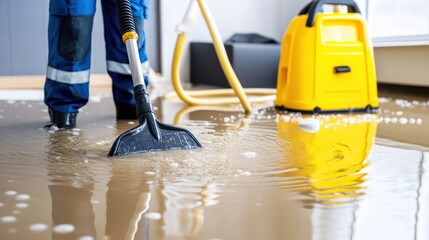
The first step in the restoration process is water removal, a task that involves extracting gallons of water from affected areas with industrial-grade vacuums and submersible pumps. Prompt extraction is critical for flooded house repair because delay leads to structural issues and mold growth, requiring additional repairs and costly remediation later on.
After removing standing water, a professional team works to thoroughly dry out the area. This is a crucial step because moisture in the air promotes mold growth and can lead to other types of structural damage. During this phase, professionals use high-powered fans and dehumidifiers to increase airflow and evaporation. This process can take several days for large areas and even longer for porous materials like drywall and wood.
This stage also includes disinfection and cleaning. Professionals scrub surfaces, wipe down belongings and sanitize the entire area to prevent the spread of bacteria, mold spores and other contaminants. This process can take a few days for small areas, and for larger spaces, it may take up to a week or more.
It’s important to note that the length of this step depends on how extensive the damage is and where the water originated from. For example, a leak from a washing machine in a tiled room is less challenging for professionals to clean and dry than a flood caused by a burst pipe in a carpeted room.
The duration of this phase is also impacted by the weather, with hot and humid summers increasing drying times significantly. Additionally, the involvement of insurance companies in water damage restoration can also slow down the process because of the need to wait for an inspection and approval before starting mitigation work. This can cause delays in the overall restoration timeline, but a reliable and experienced water damage restoration company will make every effort to work efficiently and keep homeowners informed of their restoration timelines.
Cleaning
Water damage can occur in your home for a variety of reasons: a burst pipe, a sudden flood, or a plumbing problem. Whatever the cause, it’s important to recognize the signs and contact a restoration company as soon as possible. The longer water remains in your home, the more severe the damage and the greater the risk of mold and mildew growth.
The first step in the restoration process is assessing the damage and determining an appropriate timeline for cleanup and repair. A thorough assessment requires the use of tools like moisture detectors and infrared cameras, which help determine how deep the damage goes. This helps the professionals determine what materials can be saved and what needs to be replaced. It’s also crucial to document the extent of the damage for insurance purposes, including taking photos of affected areas.
After the initial assessment, it’s time for water extraction. The rapid removal of standing water using specialized equipment is essential to mitigate further damage. This is especially important for porous materials, like wood and drywall, which are susceptible to structural deterioration and other problems if they remain wet for too long.
Once the water has been removed, the next step is drying and dehumidification. The use of fans and dehumidifiers helps manage moisture levels in the area, which prevents mold and mildew growth and other complications. The timeline for this phase will vary depending on the severity of the damage and the type of water. Clean water (Category 1) is generally easier to restore than gray or black water, which require more extensive cleaning, disinfection, and material replacement.
After the area has been dried and dehumidified, it’s time for sanitization and repairs. This includes everything from sanitizing fabrics and upholstery to repairing structural issues. The sanitization and repair process can take up to a week, though it may be longer for larger properties or more extensive damage.
Structural Repairs
Once visible water damage is addressed, professionals work to prevent further complications by securing the affected area. They may remove ruined building materials, clean and disinfect salvageable items, and deodorize the space. This process can take a few days for minor repairs or several weeks for extensive reconstruction. The amount of time needed largely depends on how fast the space can be stabilized, how quickly water is removed from porous materials like drywall, and how quickly insurance companies approve repairs.
If water damage is left untreated, it will lead to mold growth, drywall issues, warped flooring, and other problems that can be expensive and difficult to fix. That’s why it’s so important to call a water damage restoration company as soon as possible after experiencing a flood or leaky roof.
Water damage repair takes on average two weeks to dry, clean, and repair. However, the timeline can vary drastically depending on a variety of factors including the extent of the damage, how much water is present, and the type of water (clean or toxic black water).
The restoration process starts with inspecting the property using moisture detectors, infrared cameras, and other tools to assess the extent of the damage. It’s important to act quickly during this phase because water will begin damaging surfaces and materials within minutes of exposure.
After assessing the damage, water restoration experts can start working on structural repairs. This could include replacing drywall, fixing leaks, or repainting affected areas. It can also involve installing new carpeting, tile, or hardwood floors if the existing ones are damaged beyond repair.
Once the affected materials are replaced, the restoration team can begin cleaning and sanitizing the space to get it back to a livable condition. This includes scrubbing surfaces, cleaning salvageable items, and applying antimicrobial treatments to prevent further mold growth. It’s also a good idea to get the air in your home tested for contaminates since bacteria and viruses can thrive in damp conditions. This step typically takes a day or two to complete but can be longer if there are significant odors that need to be eliminated.
Documentation
Whether you have a minor leak behind a wall or severe flooding from a burst pipe, the water damage repair process can be long and complex. It can also be difficult to keep up with all the work and details involved. That’s why it’s important to know how much time to expect, what is included in the restoration process, and how to best document efforts.
The first step in restoring your home after water damage is the initial assessment and mitigation phase. This involves a thorough inspection of the affected areas by a professional. They’ll use moisture detectors and infrared cameras to determine how far the water has penetrated into the structure. This helps them build a timeline for the rest of the project and determine how to proceed.
Mitigation efforts should be done as soon as possible to limit damage and save money. Prompt response also reduces the chance of mold growth, structural weakening, and other issues that can arise if left untreated. The longer standing water remains in the property, the more expensive and extensive it becomes to restore.
After removing the water and preparing the site for restoration, the next step is to dry and dehumidify the space. The restoration company will use high-powered fans, industrial-strength dehumidifiers, and other specialized equipment to remove moisture from the property. This helps speed up evaporation, prevents mold growth, and eliminates odors. This step typically takes a few days to a week.
Once the spaces are dry, they’ll be sanitized and disinfected to get rid of bacteria, mildew, and other contaminants that could pose health risks to occupants. This includes scrubbing and cleaning salvageable surfaces, treating drywall for mold, and applying antimicrobial treatments to prevent future bacterial growth. This step can take a few days to a week or more, depending on the extent of the damage and the level of contamination.
Once all the moisture and bacteria have been eliminated, the last step is to rebuild and repair the spaces. This can involve anything from replacing drywall and flooring to fixing leaks and painting rooms. The length of this step depends on the extent of the repairs and how long it takes to get approval from your insurance company.