There comes a point when your kitchen starts to feel outdated, even if everything still works as it should. The cabinets may look worn, the style might no longer match your taste, and the entire space can feel less inviting than it once did. Many people assume that a full renovation is the only solution, but that often comes with a high cost and major disruption. There is another option that sits comfortably between a simple paint job and a complete replacement. Cabinet Refacing Sacramento offers a practical way to achieve a fresh, modern look without starting from scratch.
Understanding What Cabinet Refacing Means
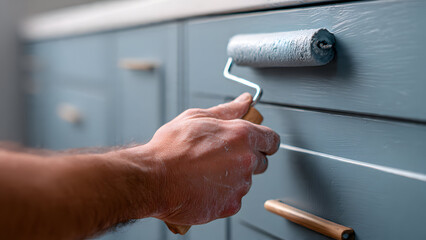
Cabinet refacing is the process of updating the visible surfaces of your existing cabinets while keeping the original cabinet boxes intact. Instead of removing the entire structure, the outer layers are replaced or covered with new materials. This typically includes new cabinet doors, drawer fronts, and a veneer applied to the cabinet frames.
The goal of refacing is to give the cabinets a completely new appearance while preserving their existing layout and functionality. Since the internal structure remains unchanged, the process is less invasive than a full replacement. It focuses on aesthetics while maintaining the practicality of the current setup.
Refacing is especially appealing for kitchens that are structurally sound but visually outdated. It allows homeowners to modernize their space without the need for extensive construction or redesign.
How Cabinet Refacing Works Step by Step
The cabinet refacing process begins with a detailed assessment of the existing cabinets. The structure must be in good condition to support the new materials. Any issues such as water damage or warping need to be addressed before moving forward.
Once the cabinets are deemed suitable, the old doors and drawer fronts are removed. The cabinet boxes are then prepared by cleaning and lightly sanding the surfaces to ensure proper adhesion of the new veneer. This step is essential for achieving a smooth and durable finish.
Next, a thin layer of veneer is applied to the cabinet frames. This veneer is carefully matched to the new doors and drawer fronts to create a cohesive look. The new components are then installed, including updated hardware such as hinges and handles if desired.
The process concludes with adjustments and finishing touches to ensure that everything aligns properly and functions smoothly. The result is a kitchen that looks entirely new without the need for a full renovation.
Benefits of Choosing Cabinet Refacing
One of the most significant advantages of cabinet refacing is cost efficiency. Compared to replacing cabinets, refacing requires fewer materials and less labor, making it a more affordable option. It allows homeowners to achieve a dramatic transformation without exceeding their budget.
Time savings is another major benefit. Since the existing cabinet structure remains in place, the process is typically completed much faster than a full replacement. This minimizes disruption and allows you to continue using your kitchen sooner.
Cabinet refacing is also an environmentally friendly choice. By reusing the existing cabinet boxes, it reduces waste and the demand for new materials. This makes it a more sustainable option for those who are conscious of their environmental impact.
In addition to these practical benefits, refacing offers a high level of customization. With a wide range of materials, colors, and styles available, it is possible to create a look that aligns with your personal preferences and complements the rest of your home.
Comparing Cabinet Refacing to Painting and Replacement
When considering a kitchen update, it is helpful to understand how cabinet refacing compares to other options. Painting is often the most affordable choice and works well for cabinets that are in good condition and only need a visual refresh. However, painting does not change the style or structure of the cabinets.
Cabinet refacing goes a step further by replacing the visible components. This allows for a more significant transformation, including changes in door style and texture. It offers a balance between cost and impact, making it a popular choice for many homeowners.
Full cabinet replacement provides the most flexibility in terms of design and layout. It allows for complete customization and the opportunity to reconfigure the kitchen. However, it is also the most expensive and time consuming option.
Refacing stands out as a middle ground. It delivers a fresh, updated look while maintaining the existing layout and avoiding the higher costs and longer timelines associated with replacement.
Choosing the Right Materials and Styles
The success of a cabinet refacing project depends heavily on the materials and styles selected. Veneers are available in a variety of finishes, including wood, laminate, and engineered materials. Each option has its own advantages in terms of durability, appearance, and maintenance.
Wood veneers offer a natural and timeless look, making them a popular choice for traditional and modern kitchens alike. Laminate options provide a wide range of colors and patterns, including designs that mimic natural materials. They are often chosen for their affordability and ease of maintenance.
Door styles also play a significant role in the overall design. Simple, flat panel doors create a clean and contemporary appearance, while more detailed designs add character and depth. The choice of hardware further enhances the final look, allowing for subtle or bold accents.
Careful consideration of these elements ensures that the finished result aligns with your vision and complements the rest of the space.
Potential Drawbacks to Consider
While cabinet refacing offers many benefits, it is important to consider its limitations. Since the existing cabinet structure is retained, any underlying issues cannot be ignored. Cabinets that are damaged or poorly constructed may not be suitable candidates for refacing.
Another limitation is the inability to change the layout of the kitchen. Refacing focuses on updating the appearance rather than altering the arrangement of cabinets. If your kitchen requires a new layout for improved functionality, replacement may be a better option.
Cost can also vary depending on the materials and level of customization. While generally more affordable than replacement, high end materials and finishes can increase the overall expense.
Understanding these factors helps ensure that cabinet refacing is the right choice for your specific needs and goals.
Maintaining Refaced Cabinets for Long Term Results
Proper maintenance is essential to keep refaced cabinets looking their best. Regular cleaning helps prevent the buildup of grease and dirt that can affect the finish. Using gentle cleaning products and soft cloths protects the surface from damage.
Avoiding excessive moisture is also important, as it can weaken adhesives and affect the veneer over time. Promptly addressing spills and maintaining good ventilation in the kitchen can help preserve the integrity of the cabinets.
Handling cabinets with care reduces wear and tear. Using handles instead of touching the surfaces directly minimizes the risk of fingerprints and smudges. Periodic inspections can help identify any issues early, allowing for timely repairs.
With consistent care, refaced cabinets can maintain their appearance and functionality for many years.
Conclusion
Cabinet refacing offers a practical and effective way to transform a kitchen without the need for a full renovation. By updating the visible surfaces while retaining the existing structure, it provides a balance between cost, efficiency, and visual impact. The process allows for customization and creativity, making it possible to achieve a fresh and modern look that reflects your personal style.
While it may not be suitable for every situation, cabinet refacing stands out as a valuable option for those seeking a meaningful upgrade without the challenges of complete replacement. With careful planning, thoughtful material selection, and proper maintenance, it can deliver lasting results that enhance both the appearance and enjoyment of your kitchen.