
What Are the Most Common Household Pests and How Can You Prevent Them?

pest control

A clean and comfortable home can quickly become stressful when unwanted pests begin to appear. It might start with ants crawling across the kitchen counter, scratching sounds behind the walls at night, or a cockroach darting across the floor when the lights turn on. These small signs often indicate a larger issue hiding out of sight. Household pests are more than just annoying visitors because many of them can damage property, contaminate food, and create health concerns for families.

Many homeowners assume pest problems only happen in dirty or neglected homes, but that is far from the truth. Even spotless houses can attract pests looking for food, water, warmth, and shelter. Understanding the most common household pests and learning how to prevent them can help homeowners protect their property and maintain a healthier indoor environment throughout the year. Contact your local Port St Lucie Pest Control company for more information.

Why Household Pests Are So Common

Pests are naturally drawn to environments that provide easy access to survival needs. Homes offer warmth during cold weather, moisture during dry conditions, and plenty of food sources. Crumbs on the floor, standing water under sinks, and cluttered storage areas can all attract unwanted pests.

Changes in weather also influence pest activity. During colder months, rodents and insects often move indoors to escape harsh outdoor conditions. Heavy rain can drive pests into dry areas, while warm temperatures increase insect breeding and activity.

Modern homes also contain countless small entry points. Tiny cracks around doors, windows, pipes, and foundations allow pests to enter unnoticed. Once inside, they can reproduce quickly and spread throughout the property. The key to preventing infestations is understanding which pests are most likely to invade homes and recognizing the warning signs before the problem becomes severe.

Ants and Why They Invade Homes

Ants are among the most common household pests because they are constantly searching for food and water. Even small crumbs or sugary spills can attract large numbers of ants within a short period of time. Kitchens, dining areas, and pantries are especially vulnerable because they provide easy access to food sources.

Ant colonies often establish trails between their nests and food locations. Once a trail is created, more ants quickly follow. Homeowners may notice lines of ants along countertops, walls, or floors as they travel back and forth.

Although many ant species are mostly a nuisance, some can cause structural damage or contaminate food. Moisture problems around sinks and leaking pipes can also attract ants looking for water.

Keeping food sealed, cleaning spills immediately, and sealing cracks around entry points can help reduce ant activity indoors. Regular sanitation is one of the most effective ways to discourage infestations before they grow larger.

Cockroaches and the Health Risks They Bring

Cockroaches are another common household pest that can survive in a variety of indoor environments. They prefer warm, dark, and damp areas such as kitchens, bathrooms, basements, and laundry rooms. Cockroaches are mainly active at night, which means homeowners may not notice them until the infestation becomes serious.

One of the biggest concerns with cockroaches is their connection to bacteria and allergens. They can contaminate food surfaces and contribute to poor indoor air quality. Their droppings and shed skin may trigger allergies or respiratory irritation in sensitive individuals.

Cockroaches are extremely resilient and capable of hiding in tiny cracks and crevices. They often enter homes through drains, gaps around doors, or items brought indoors from infested areas.

Preventing cockroaches usually involves reducing moisture, improving cleanliness, and eliminating hiding spots. Trash should be removed regularly, food should never be left uncovered overnight, and leaks should be repaired quickly to reduce attractive conditions for roaches.

Rodents and Their Destructive Behavior

Mice and rats are some of the most destructive household pests because they chew constantly to keep their teeth from overgrowing. This behavior can damage insulation, wood, plastic, and electrical wiring. Damaged wires are especially dangerous because they increase the risk of electrical fires.

Rodents are also known for spreading bacteria through droppings and urine. They frequently invade kitchens, storage areas, attics, and basements where they can find food and nesting materials.

One reason rodent infestations grow quickly is their rapid reproduction. A small mouse problem can turn into a major infestation within a relatively short period of time if left untreated.

Signs of rodents include scratching sounds at night, droppings, gnaw marks, and chewed food packaging. Homeowners may also notice unusual smells coming from hidden nesting areas.

Sealing entry points is one of the best ways to prevent rodents from entering the home. Since mice can squeeze through extremely small gaps, even tiny openings should be repaired. Proper food storage and clutter reduction also help limit rodent activity.

Termites and Hidden Structural Damage

Unlike many pests that create immediate visible problems, termites often remain hidden for long periods while causing significant structural damage. These pests feed on wood and other cellulose based materials, making homes particularly vulnerable.

Termites typically invade through foundations, crawl spaces, or areas with excess moisture. Once inside, they tunnel through wooden structures from the inside out. Because the damage is hidden, homeowners may not realize there is a problem until walls, floors, or furniture become weakened.

Signs of termite activity include hollow sounding wood, discarded wings, mud tubes along walls, and bubbling paint surfaces. Unfortunately, by the time these signs appear, extensive damage may already exist.

Regular inspections are important because early detection can prevent expensive repairs. Moisture control also plays a major role in termite prevention. Fixing leaks, improving drainage, and reducing damp conditions around the home can help discourage termite activity.

Bed Bugs and Their Growing Presence

Bed bugs have become increasingly common in residential properties over the years. These tiny insects feed on human blood and are often found hiding near beds, mattresses, furniture, and fabric surfaces. Unlike some pests, bed bugs are not attracted by dirt or poor sanitation. They are usually introduced through luggage, clothing, used furniture, or shared living spaces.

One of the biggest challenges with bed bugs is their ability to hide in extremely small spaces. They are active mostly at night and often remain unnoticed during the early stages of an infestation.

Many people first discover bed bugs after waking up with itchy bites or noticing tiny blood spots on bedding. Because bed bugs reproduce quickly, infestations can spread throughout a home if not treated promptly.

Preventing bed bugs involves inspecting secondhand furniture carefully, washing travel clothing after trips, and monitoring sleeping areas regularly. Early detection is essential because large infestations are much harder to eliminate completely.

Spiders and Other Crawling Insects

Spiders are common household pests that usually enter homes while searching for food or shelter. Most spiders are harmless and actually help reduce insect populations by feeding on smaller pests. However, many homeowners still find them unsettling, especially when webs appear in corners, ceilings, or storage areas.

Spiders are attracted to homes with abundant insect activity because insects provide a steady food source. Reducing other pest populations often helps reduce spider activity as well.

Other crawling insects such as silverfish and centipedes may also invade homes. These pests typically prefer damp and dark environments like bathrooms, basements, and laundry rooms. Although they rarely cause serious damage, they can still become unpleasant household nuisances.

Reducing moisture, improving ventilation, and sealing entry points can help limit these pests indoors. Regular cleaning and decluttering also reduce the hiding places that many crawling insects rely on.

How Preventive Pest Control Protects Homes

Preventive pest control is one of the most effective ways to avoid serious infestations. Waiting until pests become visible often means the problem has already grown significantly. Regular inspections and maintenance allow homeowners to catch issues early before they become more expensive and difficult to manage.

Good sanitation practices are essential for prevention. Food should always be stored properly, spills should be cleaned quickly, and trash should not accumulate indoors. Moisture control is equally important because many pests depend on water sources to survive.

Outdoor maintenance also plays a major role in keeping pests away. Overgrown vegetation, standing water, and piles of debris near the home can attract insects and rodents. Keeping the exterior clean and well maintained reduces the likelihood of pests moving indoors.

Professional pest control services may also help identify risks that homeowners overlook. Routine inspections provide added protection against hidden infestations and long term damage.

Final Thoughts

Household pests are a common problem that can affect almost any home regardless of cleanliness or location. Ants, cockroaches, rodents, termites, bed bugs, and spiders are among the most frequently encountered pests in residential properties. While some pests are mainly annoying, others can cause structural damage, contaminate food, and create serious health concerns.

Understanding what attracts these pests and recognizing the early warning signs can help homeowners respond quickly before infestations grow larger. Preventive maintenance, cleanliness, moisture control, and regular inspections all play important roles in protecting a home from unwanted pests. By staying proactive and addressing issues early, homeowners can create a safer, healthier, and more comfortable living environment throughout the year.
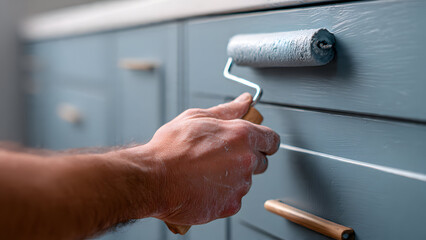
What Is Cabinet Refacing and Is It Worth It for Your Kitchen Upgrade

There comes a point when your kitchen starts to feel outdated, even if everything still works as it should. The cabinets may look worn, the style might no longer match your taste, and the entire space can feel less inviting than it once did. Many people assume that a full renovation is the only solution, but that often comes with a high cost and major disruption. There is another option that sits comfortably between a simple paint job and a complete replacement. Cabinet Refacing Sacramento offers a practical way to achieve a fresh, modern look without starting from scratch.

Understanding What Cabinet Refacing Means

Cabinet Refacing

Cabinet refacing is the process of updating the visible surfaces of your existing cabinets while keeping the original cabinet boxes intact. Instead of removing the entire structure, the outer layers are replaced or covered with new materials. This typically includes new cabinet doors, drawer fronts, and a veneer applied to the cabinet frames.

The goal of refacing is to give the cabinets a completely new appearance while preserving their existing layout and functionality. Since the internal structure remains unchanged, the process is less invasive than a full replacement. It focuses on aesthetics while maintaining the practicality of the current setup.

Refacing is especially appealing for kitchens that are structurally sound but visually outdated. It allows homeowners to modernize their space without the need for extensive construction or redesign.

How Cabinet Refacing Works Step by Step

The cabinet refacing process begins with a detailed assessment of the existing cabinets. The structure must be in good condition to support the new materials. Any issues such as water damage or warping need to be addressed before moving forward.

Once the cabinets are deemed suitable, the old doors and drawer fronts are removed. The cabinet boxes are then prepared by cleaning and lightly sanding the surfaces to ensure proper adhesion of the new veneer. This step is essential for achieving a smooth and durable finish.

Next, a thin layer of veneer is applied to the cabinet frames. This veneer is carefully matched to the new doors and drawer fronts to create a cohesive look. The new components are then installed, including updated hardware such as hinges and handles if desired.

The process concludes with adjustments and finishing touches to ensure that everything aligns properly and functions smoothly. The result is a kitchen that looks entirely new without the need for a full renovation.

Benefits of Choosing Cabinet Refacing

One of the most significant advantages of cabinet refacing is cost efficiency. Compared to replacing cabinets, refacing requires fewer materials and less labor, making it a more affordable option. It allows homeowners to achieve a dramatic transformation without exceeding their budget.

Time savings is another major benefit. Since the existing cabinet structure remains in place, the process is typically completed much faster than a full replacement. This minimizes disruption and allows you to continue using your kitchen sooner.

Cabinet refacing is also an environmentally friendly choice. By reusing the existing cabinet boxes, it reduces waste and the demand for new materials. This makes it a more sustainable option for those who are conscious of their environmental impact.

In addition to these practical benefits, refacing offers a high level of customization. With a wide range of materials, colors, and styles available, it is possible to create a look that aligns with your personal preferences and complements the rest of your home.

Comparing Cabinet Refacing to Painting and Replacement

When considering a kitchen update, it is helpful to understand how cabinet refacing compares to other options. Painting is often the most affordable choice and works well for cabinets that are in good condition and only need a visual refresh. However, painting does not change the style or structure of the cabinets.

Cabinet refacing goes a step further by replacing the visible components. This allows for a more significant transformation, including changes in door style and texture. It offers a balance between cost and impact, making it a popular choice for many homeowners.

Full cabinet replacement provides the most flexibility in terms of design and layout. It allows for complete customization and the opportunity to reconfigure the kitchen. However, it is also the most expensive and time consuming option.

Refacing stands out as a middle ground. It delivers a fresh, updated look while maintaining the existing layout and avoiding the higher costs and longer timelines associated with replacement.

Choosing the Right Materials and Styles

The success of a cabinet refacing project depends heavily on the materials and styles selected. Veneers are available in a variety of finishes, including wood, laminate, and engineered materials. Each option has its own advantages in terms of durability, appearance, and maintenance.

Wood veneers offer a natural and timeless look, making them a popular choice for traditional and modern kitchens alike. Laminate options provide a wide range of colors and patterns, including designs that mimic natural materials. They are often chosen for their affordability and ease of maintenance.

Door styles also play a significant role in the overall design. Simple, flat panel doors create a clean and contemporary appearance, while more detailed designs add character and depth. The choice of hardware further enhances the final look, allowing for subtle or bold accents.

Careful consideration of these elements ensures that the finished result aligns with your vision and complements the rest of the space.

Potential Drawbacks to Consider

While cabinet refacing offers many benefits, it is important to consider its limitations. Since the existing cabinet structure is retained, any underlying issues cannot be ignored. Cabinets that are damaged or poorly constructed may not be suitable candidates for refacing.

Another limitation is the inability to change the layout of the kitchen. Refacing focuses on updating the appearance rather than altering the arrangement of cabinets. If your kitchen requires a new layout for improved functionality, replacement may be a better option.

Cost can also vary depending on the materials and level of customization. While generally more affordable than replacement, high end materials and finishes can increase the overall expense.

Understanding these factors helps ensure that cabinet refacing is the right choice for your specific needs and goals.

Maintaining Refaced Cabinets for Long Term Results

Proper maintenance is essential to keep refaced cabinets looking their best. Regular cleaning helps prevent the buildup of grease and dirt that can affect the finish. Using gentle cleaning products and soft cloths protects the surface from damage.

Avoiding excessive moisture is also important, as it can weaken adhesives and affect the veneer over time. Promptly addressing spills and maintaining good ventilation in the kitchen can help preserve the integrity of the cabinets.

Handling cabinets with care reduces wear and tear. Using handles instead of touching the surfaces directly minimizes the risk of fingerprints and smudges. Periodic inspections can help identify any issues early, allowing for timely repairs.

With consistent care, refaced cabinets can maintain their appearance and functionality for many years.

Conclusion

Cabinet refacing offers a practical and effective way to transform a kitchen without the need for a full renovation. By updating the visible surfaces while retaining the existing structure, it provides a balance between cost, efficiency, and visual impact. The process allows for customization and creativity, making it possible to achieve a fresh and modern look that reflects your personal style.

While it may not be suitable for every situation, cabinet refacing stands out as a valuable option for those seeking a meaningful upgrade without the challenges of complete replacement. With careful planning, thoughtful material selection, and proper maintenance, it can deliver lasting results that enhance both the appearance and enjoyment of your kitchen.

The Hidden Role of Septic Tanks in Modern Waste Management

Septic tanks quietly manage household waste every day. They separate solids from liquids, preventing contamination. Regular maintenance keeps them functioning efficiently. Neglect can cause serious plumbing issues.

Septic Tanks

A well-designed septic tank reduces environmental risks. Wastewater treatment happens naturally inside its chambers. Microorganisms break down organic matter over time. This process lowers harmful bacteria levels before effluent reaches the soil. Visit https://septic-guys.com/ to learn more.

Soil absorption fields work hand-in-hand with septic tanks. They filter water as it seeps into the ground. Proper soil type ensures effective filtration. Sandy soils can allow too much water through too quickly.

Innovative septic systems now use multiple compartments. Each chamber handles different stages of waste processing. Advanced designs improve odor control significantly. They also extend the lifespan of the system.

Septic tank pumping is often overlooked. Solids accumulate and reduce efficiency. Pumping on a schedule prevents backups and costly repairs. It also protects groundwater from contamination.

Household habits affect septic performance. Excessive use of harsh chemicals can kill helpful bacteria. Non-biodegradable materials can clog pipes. Careful disposal choices keep systems running longer.

Rainwater management around tanks is crucial. Flooding can overwhelm a system. Diverting roof and driveway runoff helps maintain balance. Saturated soil slows natural filtration, creating hazards.

New technology allows real-time monitoring of septic systems. Sensors track effluent levels and flow rates. Alerts notify homeowners before issues escalate. This reduces emergency maintenance calls.

Septic tanks support sustainable water practices. Greywater recycling can be integrated into modern systems. This reduces freshwater consumption. It also encourages conscious water use habits.

Home renovations can impact septic efficiency. Adding bathrooms or appliances changes wastewater volume. Systems must be recalculated for new loads. Failing to do so can lead to early failure.

Education on septic systems is limited but essential. Homeowners often ignore warning signs of malfunction. Simple visual checks can prevent major damage. Understanding system limits promotes longevity.

Septic tank liners are gaining attention for durability. Concrete and plastic options prevent leaks. Advanced materials resist corrosion and cracking. A sturdy liner extends the system’s functional life.

Odor problems often indicate poor maintenance. Vent pipes help release gases safely. Blocked vents or full tanks create foul smells. Addressing issues quickly prevents structural damage.

Septic systems are also influenced by household size. Larger families produce more waste, requiring bigger tanks. Underestimating capacity leads to overflow. Proper sizing is critical from the start.

Nutrient runoff is a subtle environmental concern. Poorly maintained tanks release nitrogen and phosphorus. These elements contribute to algae growth in nearby water sources. Responsible maintenance reduces ecological impact.

Seasonal changes affect septic performance. Cold weather slows bacterial activity. Wet seasons increase groundwater levels. Systems must be designed for local climate variability.

DIY solutions are tempting but risky. Improper cleaning or chemical use can harm the system. Professional inspection ensures safety and efficiency. Experts identify hidden problems before they worsen.

Septic tanks can last decades if maintained. Lifespan depends on material quality and usage habits. Regular inspections catch early signs of deterioration. Timely interventions prevent full system replacement.

Emerging research focuses on enhancing bacterial efficiency. Engineered microorganisms can accelerate waste breakdown. This reduces solids accumulation. It also lessens odor and environmental impact.

Integration with smart home systems is becoming possible. Automated pumps adjust flow rates based on usage. Sensors monitor chemical levels for better bacterial balance. Technology keeps systems efficient with minimal effort.

Community awareness programs highlight septic safety. Sharing tips improves neighborhood health. Collective maintenance reduces groundwater contamination. Education campaigns are cost-effective preventive measures.

Septic tanks also interact with landscaping. Deep-rooted plants can damage pipes. Surface runoff from gardens may infiltrate systems. Strategic planning prevents interference and preserves function.

Emergency response planning is important for failures. Overflow can damage property and contaminate soil. Quick action minimizes health risks. Homeowners benefit from having a clear response strategy.

Septic tanks reflect broader sanitation infrastructure. They operate where centralized sewage is unavailable. Innovations in materials, monitoring, and design enhance public health. They remain vital in sustainable housing solutions.

Maintaining septic systems conserves water and protects ecosystems. Small actions like mindful disposal and timely pumping are impactful. Long-term planning prevents costly repairs. Responsible care ensures decades of efficient service.

Even seemingly small upgrades matter. Installing filter systems reduces solids entering drain fields. This prolongs absorption areas. Over time, minor improvements compound into major benefits.

Septic tanks are quietly shaping modern sanitation practices. They integrate biology, engineering, and environmental science. Continued research will make them more sustainable. Their role in water management remains indispensable.